Rugrats Wugwats
This month’s interview is with Rugrats Wugwats, one of the freshest brands on the national scene. With a distinctive aesthetic that blends Y2K influences, skate, and punk culture, the brand has been steadily making a name for itself. Founded by a group of three friends, Rugrats Wugwats stands out for its unique visual identity and authentic approach to contemporary streetwear.
To kick things off, could each of you introduce yourselves? Tell us who you are and what your role is within Rugrats Wugwats.
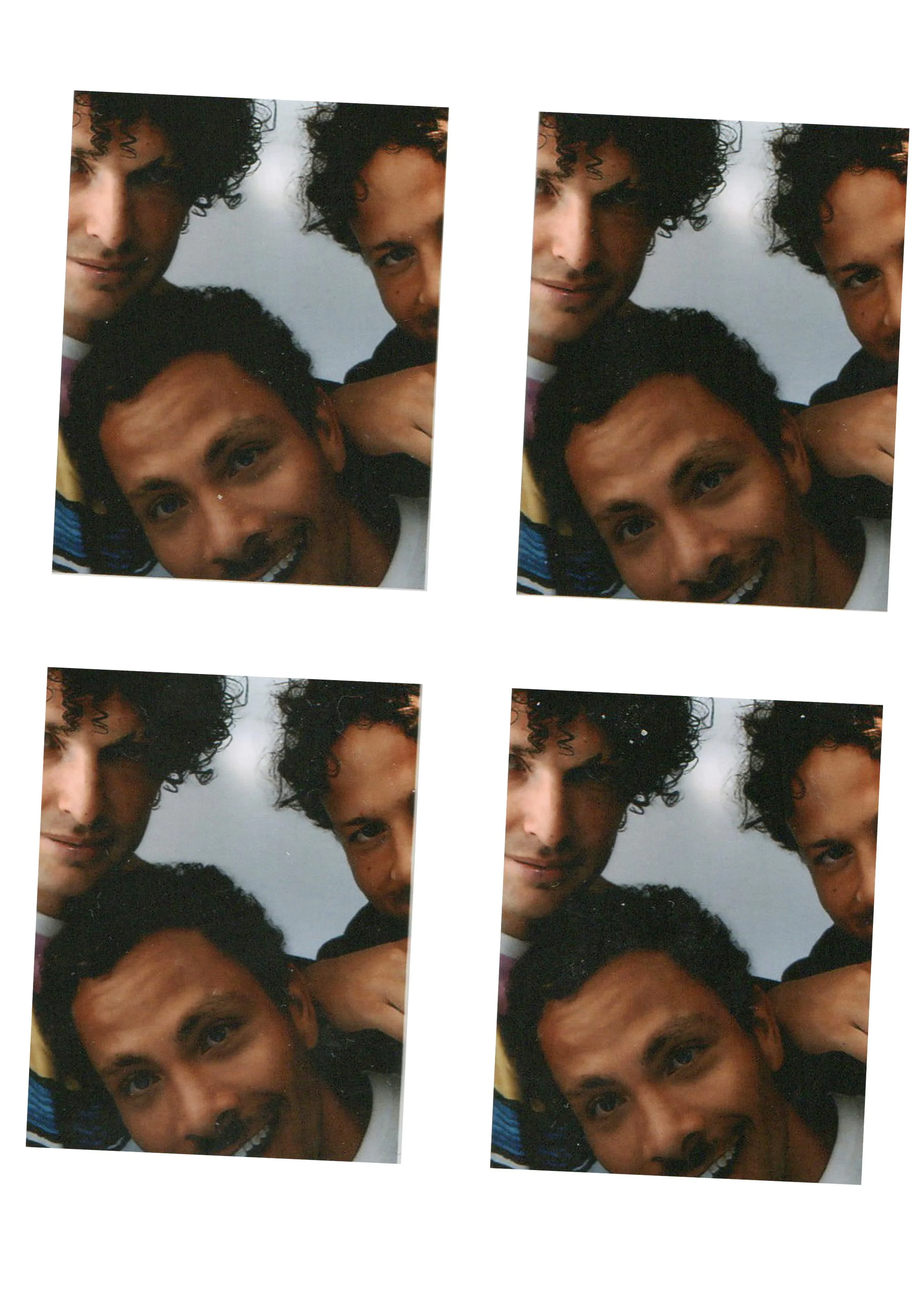
We’re Leo, Pierce, and Rúben. We all come from creative backgrounds, and from the beginning, the idea was for Rugrats Wugwats to be a collaborative project. Because of that, we never felt the need to divide roles too rigidly. That said, Leo is an illustrator with a strong connection to music and sound, while Pierce and Rúben both come from graphic design backgrounds.
How did Rugrats Wugwats come to life?
The project was born out of a friendship that goes back around eight years. We met in Lisbon and instantly connected through shared interests such as music, fashion, art, and skateboarding.
During the early years of our friendship, between 2018 and 2020, we often talked about creating something together - initially as a collective. Clothing became the starting point, but the vision was always much bigger than just making clothes. From the beginning, we wanted to build an identity and a creative universe that could extend far beyond garments.
The name Rugrats Wugwats immediately brings to mind the Rugrats cartoon. Is there a direct connection or influence there, or does the name come from a completely different place?
There’s no connection to the Rugrats cartoon whatsoever. When we started developing the brand, we wanted it to embody a “rugrat spirit” - something unconstrained, curious, and rebellious, inspired by the way we experienced the world as children. During that process, we asked Pierce’s father to come up with a list of words that captured that feeling. “Rugrats” was one of them, and we immediately knew it was the name we had been looking for.
“Wugwats” came later. It’s essentially a childlike distortion of “Rugrats” imagining how a kid might pronounce the word. It ended up becoming the perfect bridge between the adult and the child. To this day, the name is a constant source of amusement for us, mainly because most people in Portugal struggle to pronounce it correctly.
Your brand blends a fairly chaotic mix of influences, drawing heavily from Y2K aesthetics, skate culture, and punk. Where do these aesthetic and cultural inspirations come from?
Our goal has always been to represent memories from our childhood, creating a bridge between the children we once were and what still remains of them in us as adults. That’s where many of our 2000s references come from - the decade in which our earliest memories were formed.
Of course, the brand draws from those references, but the real inspiration comes from the things we grew up with. It became almost an exercise in revisiting the games we played, the cartoons we watched, the clothes we wore, the music we listened to on MTV or Cd’s, and everything we were exposed to during that time. Many of those memories naturally shaped the brand’s identity.
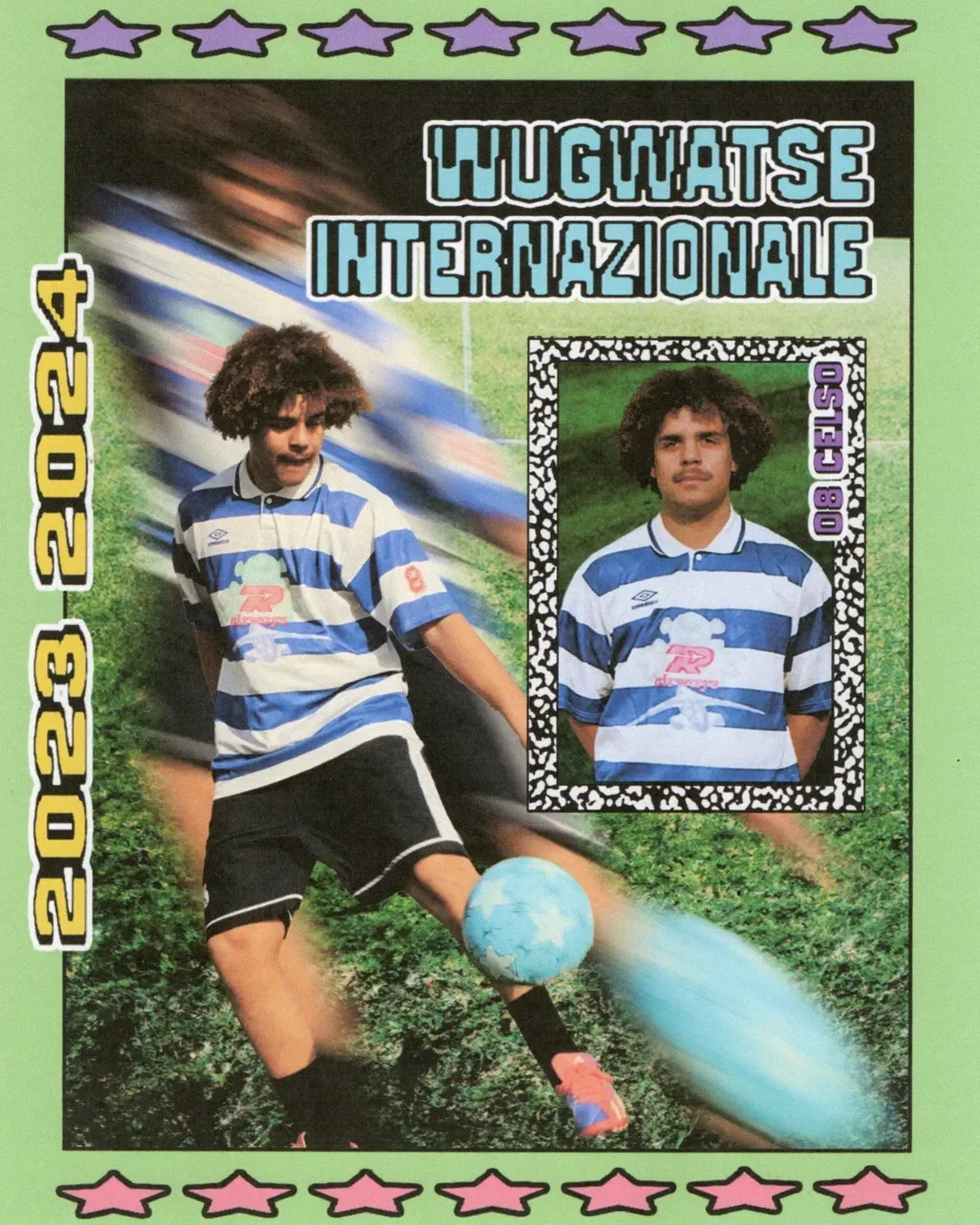
From this process also emerge more specific references to growing up in Portugal: birthday cakes decorated like football pitches, Pokémons, betting slips, early MP3 players, football stickers, temporary tattoos, PlayStation games, and even cybercafés - spaces that feel almost unimaginable to younger generations today.
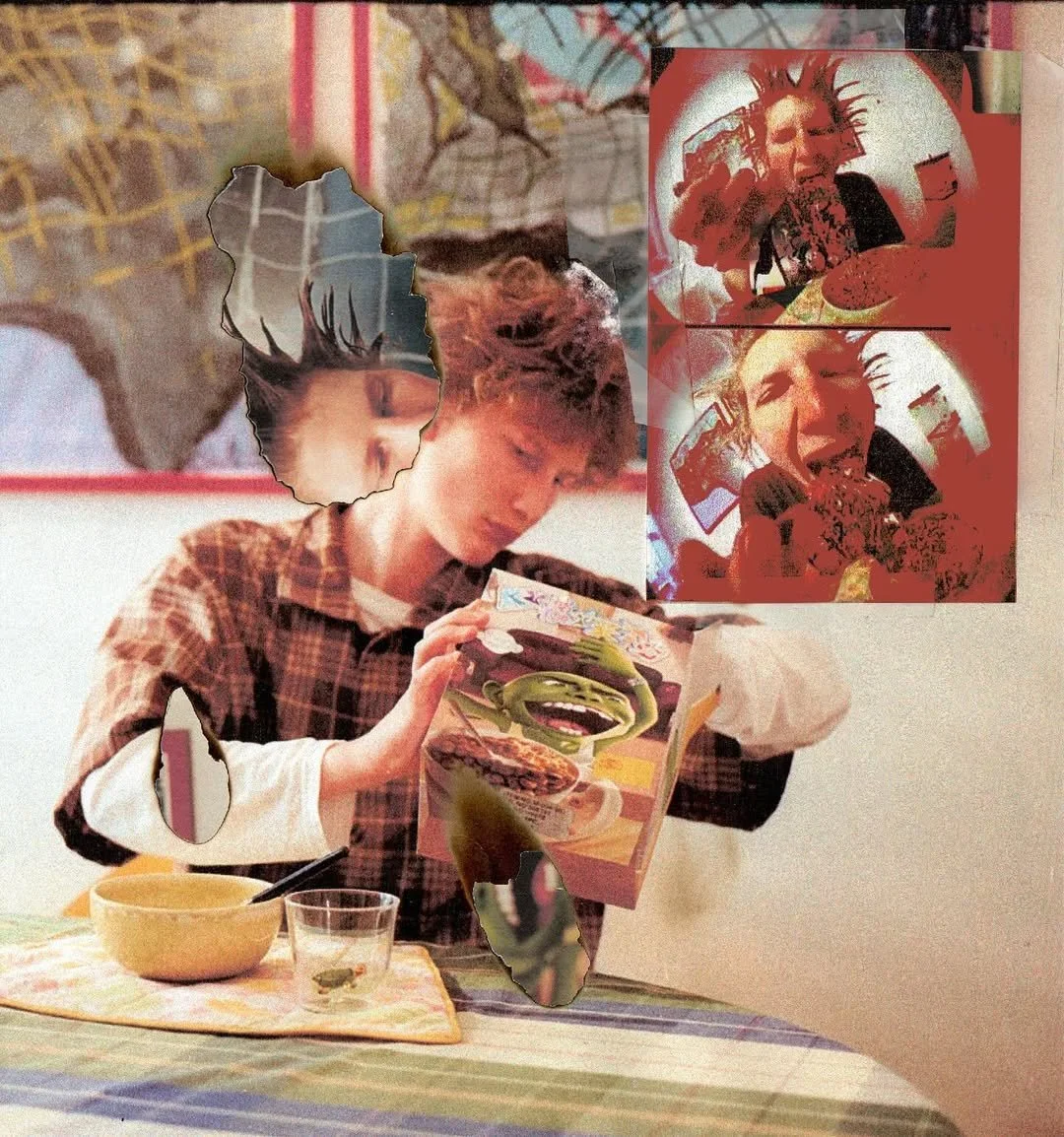
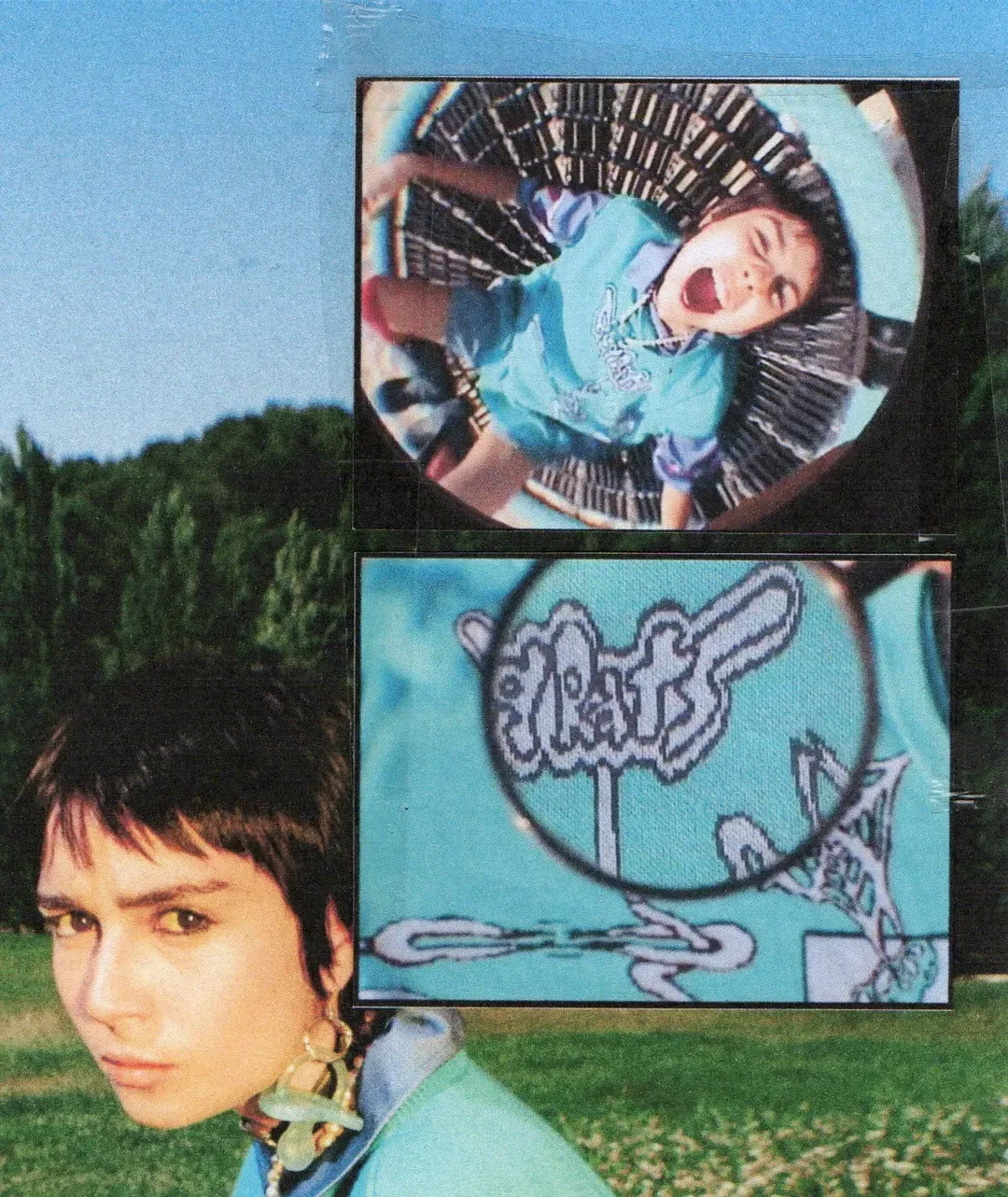

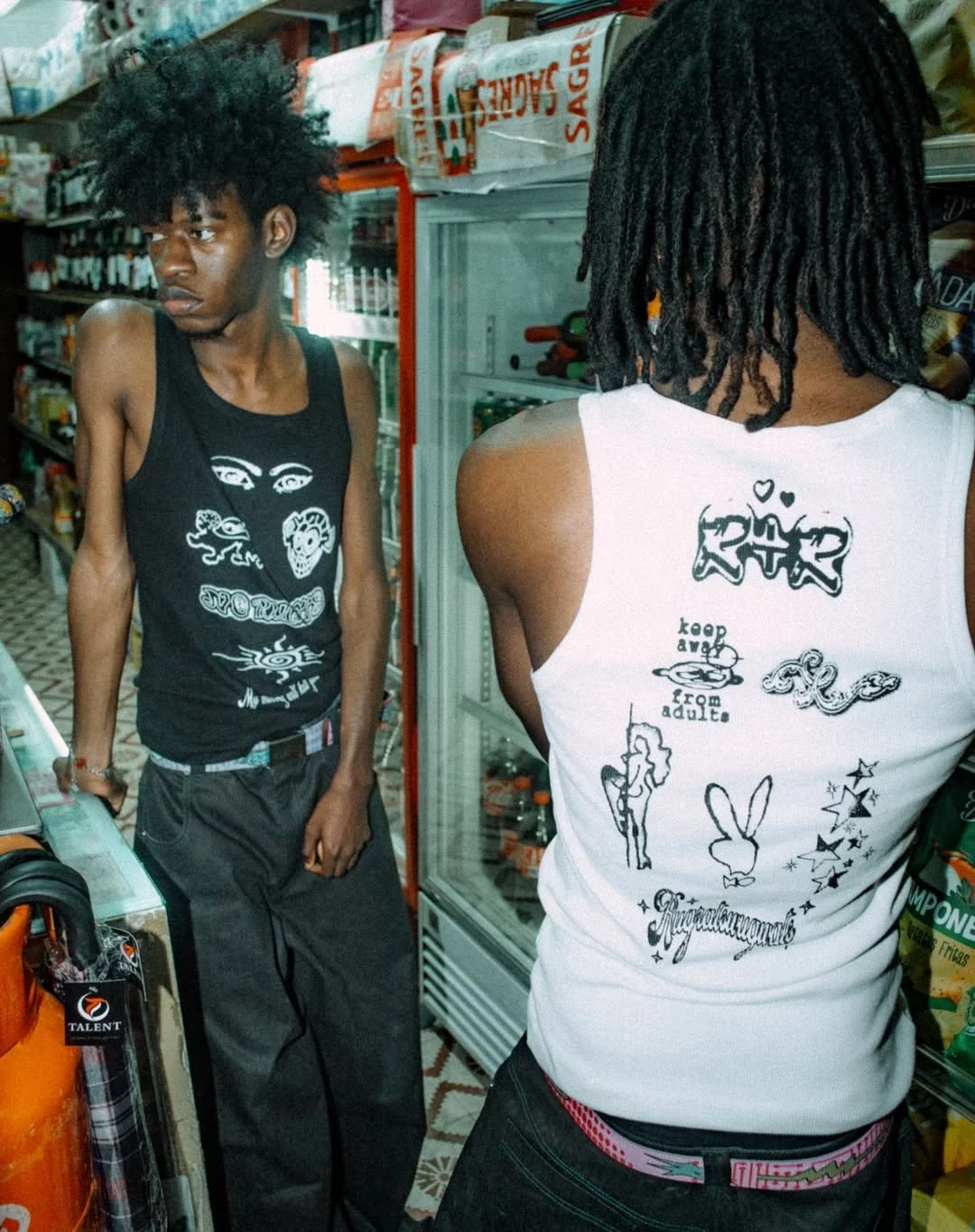

Your visual identity is very distinctive, from photography and video to your launch campaigns. How does this creative layer integrate into your process of building the brand as a whole?
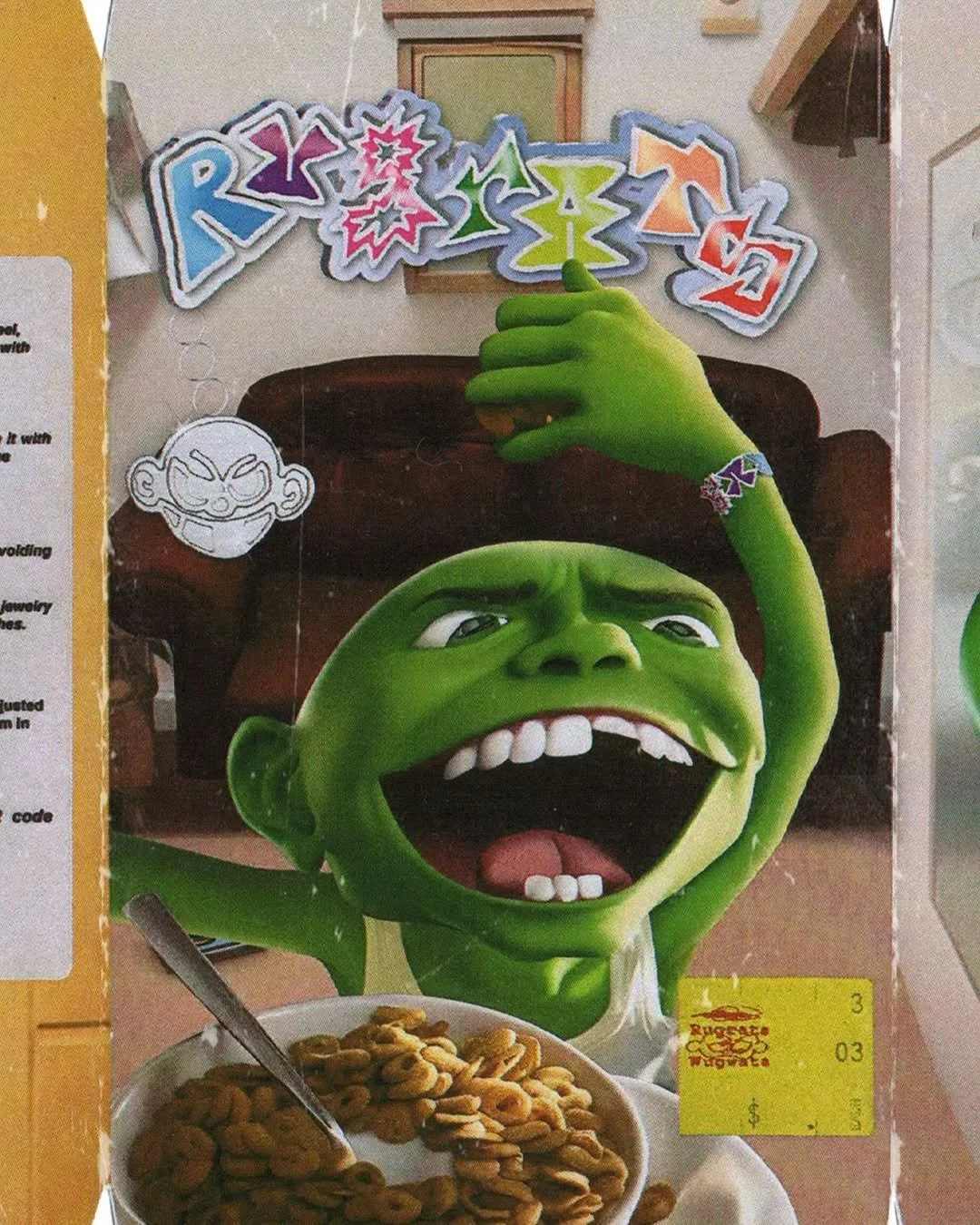
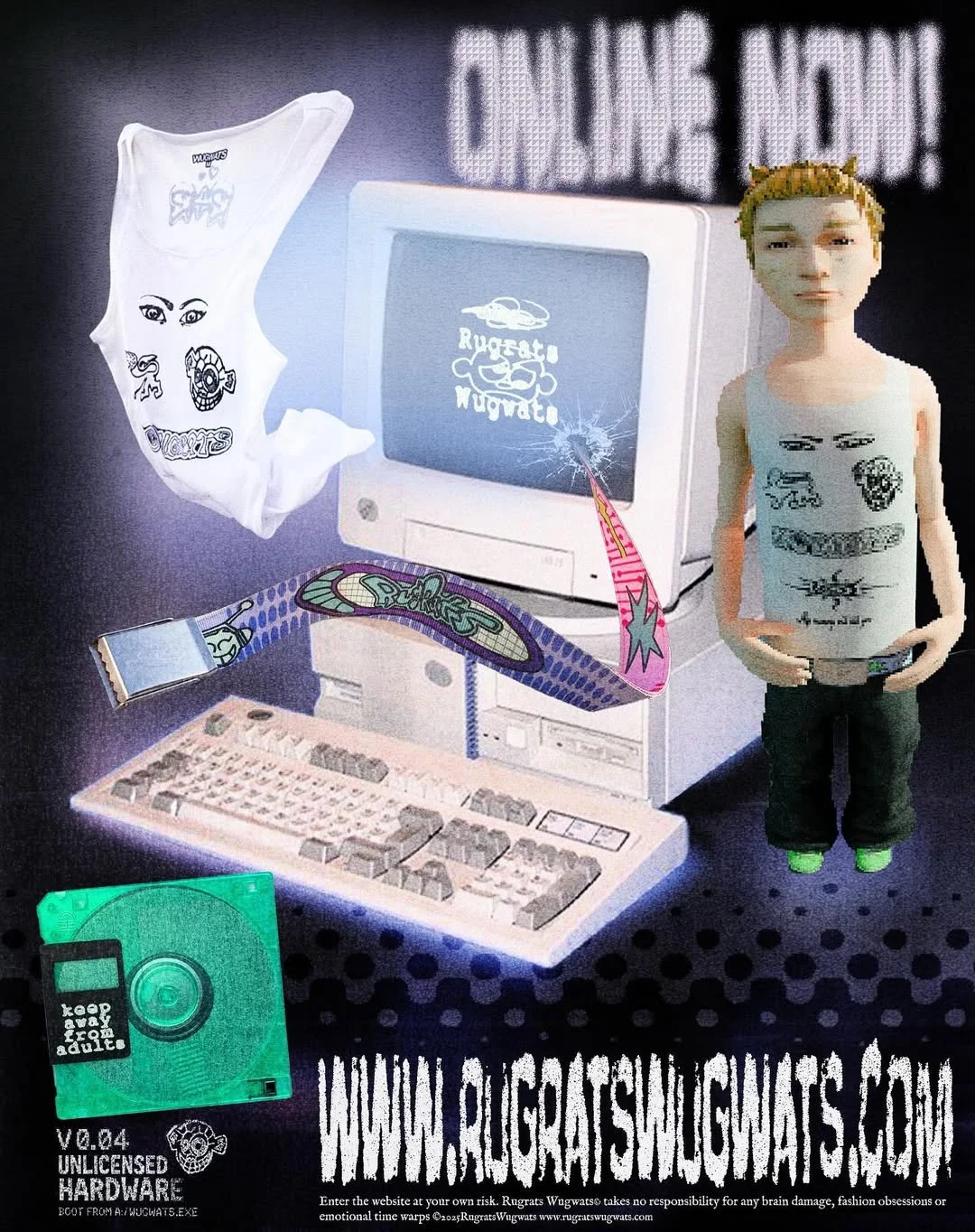
From the very beginning, we realised that the visual identity was just as important as the clothing itself. We like to think of each collection as a chapter within a larger universe. Photography, video, graphic design, music, and the way we communicate are all part of the same story - they all contribute to building that world in a consistent and interconnected way.

For you, is the visual component as important as the product itself?
Without a doubt. For us, product and image are inseparable. Sometimes everything starts with an idea for a piece we want to create; other times it begins with a concept or theme we want to explore, and occasionally the idea starts with the campaign itself, with the product coming afterwards.
There is no hierarchy between the two. It is precisely in the relationship between object and narrative that the brand takes shape and continues to evolve.
Your communication has a very distinctive and easily recognisable voice. Was that something you planned from the beginning, or did it emerge more naturally over time? Do you think this language is one of the elements that sets you apart the most?
Our language developed quite naturally, but there has always been a clear intention to ensure consistency between what we create and how we communicate it. From the very beginning, we had a clear vision of what we wanted to represent, and that naturally influenced everything - the brand name, the visual identity, the content, and the way we express ourselves.
As we evolved, that language became more defined. It’s still an ongoing process, but we believe that staying consistent and true to our vision has helped us build a recognisable identity.
Over these past five years, we’ve seen many trends come and go. If we had simply followed what was happening at the time, our communication would have constantly shifted. Instead, we focused on building something more lasting and genuine, which ultimately made that language one of the elements that sets us apart the most.
How are roles distributed within the team?
We’ve never really had strictly defined roles. Leo tends to drive illustration and sound design, Rúben is more focused on design and product development, and Pierce leans towards the creative direction of videos and campaigns. That said, everything works in a very horizontal way, with all of us actively involved in the process and often crossing over into each other’s areas.
Over time, we’ve discovered new interests and naturally taken on different responsibilities. Rather than fixed roles, what exists are distinct sensitivities that complement each other and continue to evolve as the project grows.
What have been the biggest challenges you’ve faced since launching the brand?
Although, as you mentioned, we’ve found our differentiation in the brand’s visual identity, our main commitment has always been to creating high-quality pieces.
That said, one of the biggest challenges has been maintaining consistency, especially because this is not a full-time project for us. There is a lot of work behind each collection, and the challenge doesn’t end at the launch - after that, it’s about ensuring the pieces actually find their audience.
It was also important for us to learn how to work with factories and navigate the textile industry. As a small brand, we quickly realised how essential it is to communicate clearly and professionally. Fortunately, we’ve been lucky to meet very supportive people along the way, which has made a significant difference.
How would you describe the current state of fashion and streetwear in Portugal?
Looking around, we do see some growth and brands we relate to. However, it’s also common to see cultural, aesthetic, or historical references being used mainly as visual elements, without a deeper layer of research or interpretation that brings a genuinely new perspective. When that happens, brands tend to start resembling each other and lose the ability to create something truly distinctive.
This isn’t an issue exclusive to Portugal. Internationally, we’ve seen the appropriation of certain cultural and social universes that quickly turn into trends, often without a genuine connection to the contexts and communities they come from. In Portugal, we observe similar phenomena, albeit on a smaller scale. We believe the real challenge lies in transforming references into meaningful cultural contributions, rather than reducing them to purely aesthetic exercises in inspiration.
A large part of your communication seems to be aimed at an international audience. Was that a strategic decision from the beginning?
I don’t think it was initially a strategic decision. We simply grew up consuming international media, whether it was MTV, Cartoon Network, or WWE. Because of that, it never really occurred to us to communicate exclusively for Portugal.
Many of the references and memories that inspire our work are shared across different countries, and we felt that limiting our communication to a purely national context would reduce the reach of that connection. In Portugal, we’re probably speaking to a relatively specific niche, whereas internationally there’s a much larger audience that grew up with the same references and relates to the same memories.
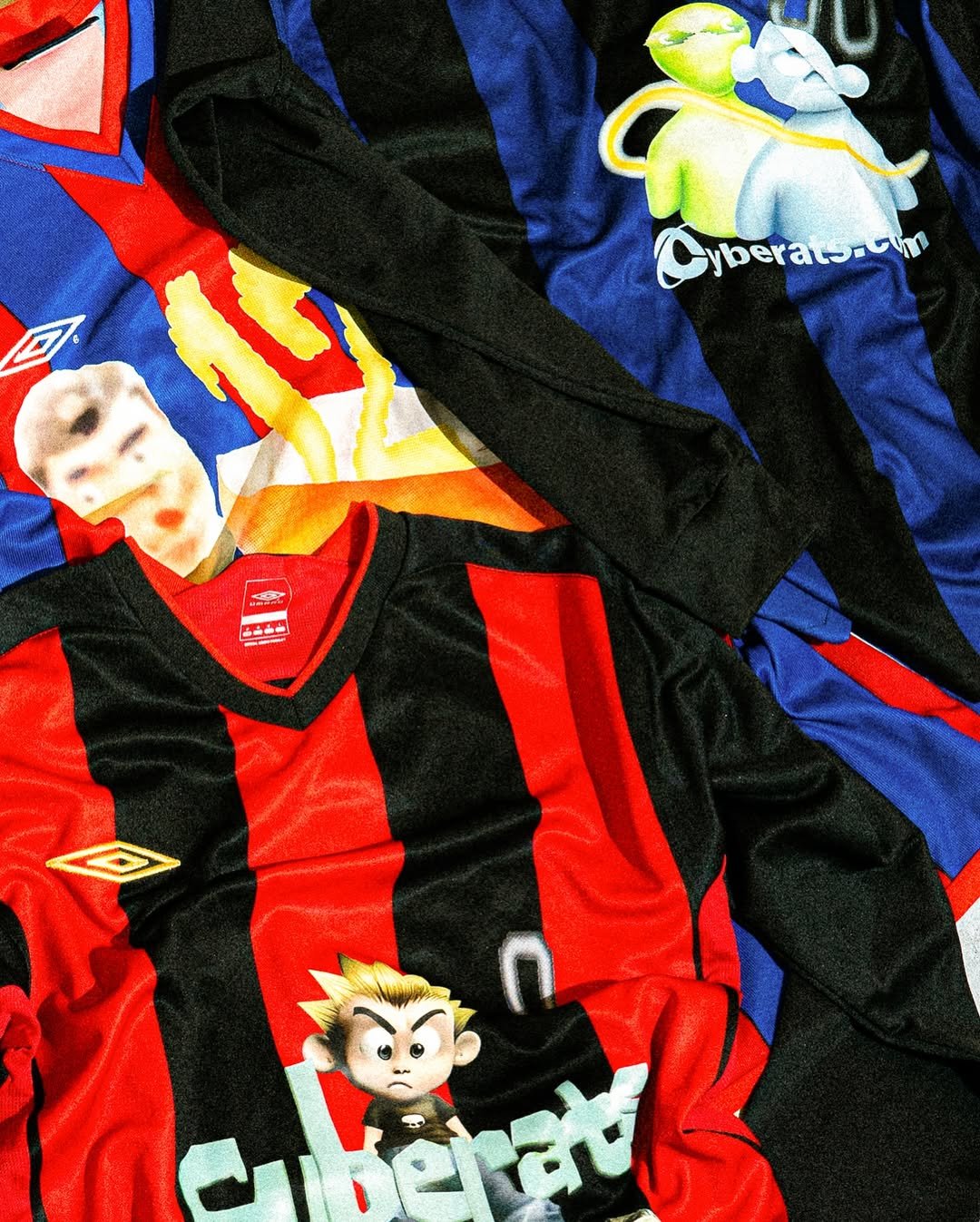
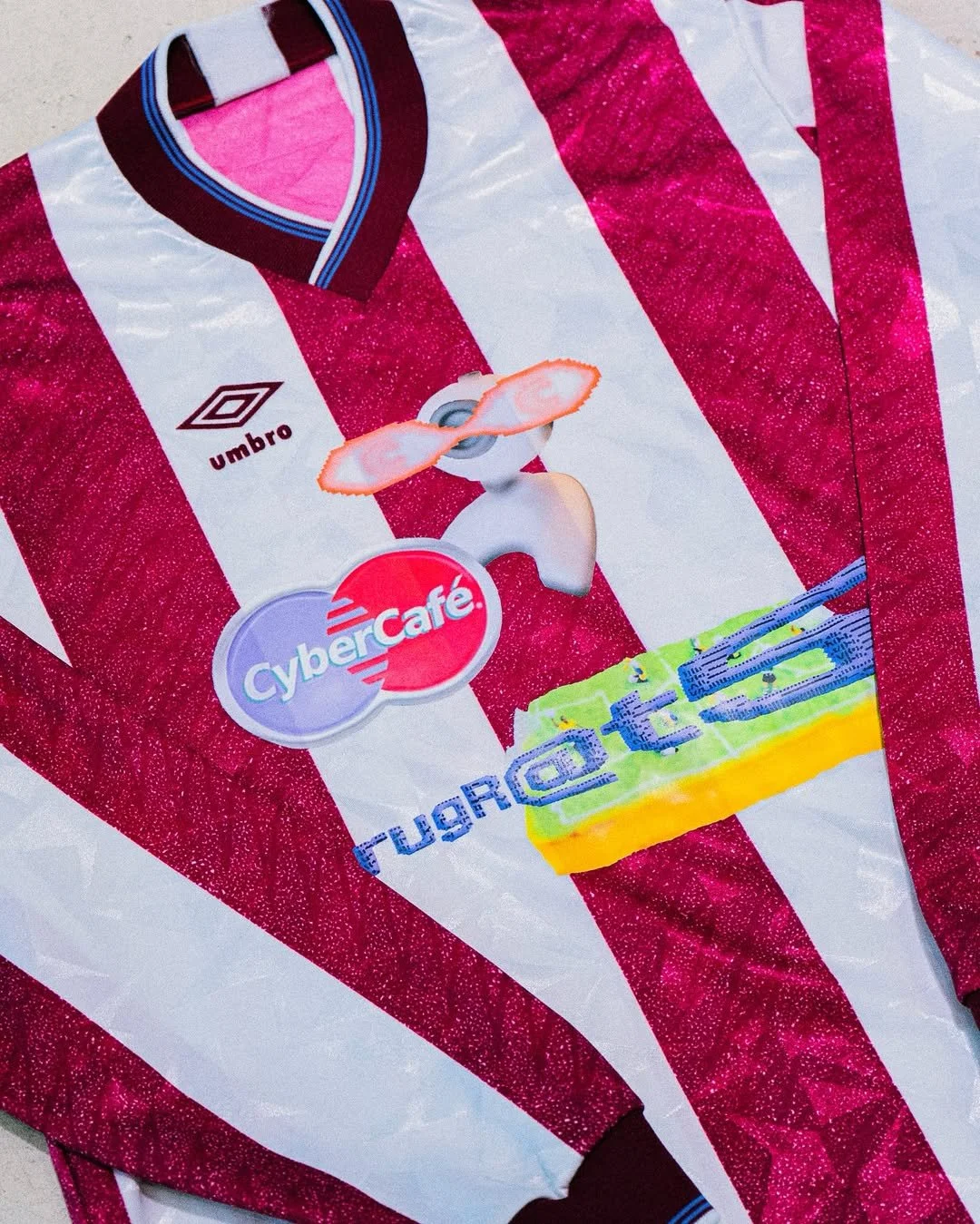
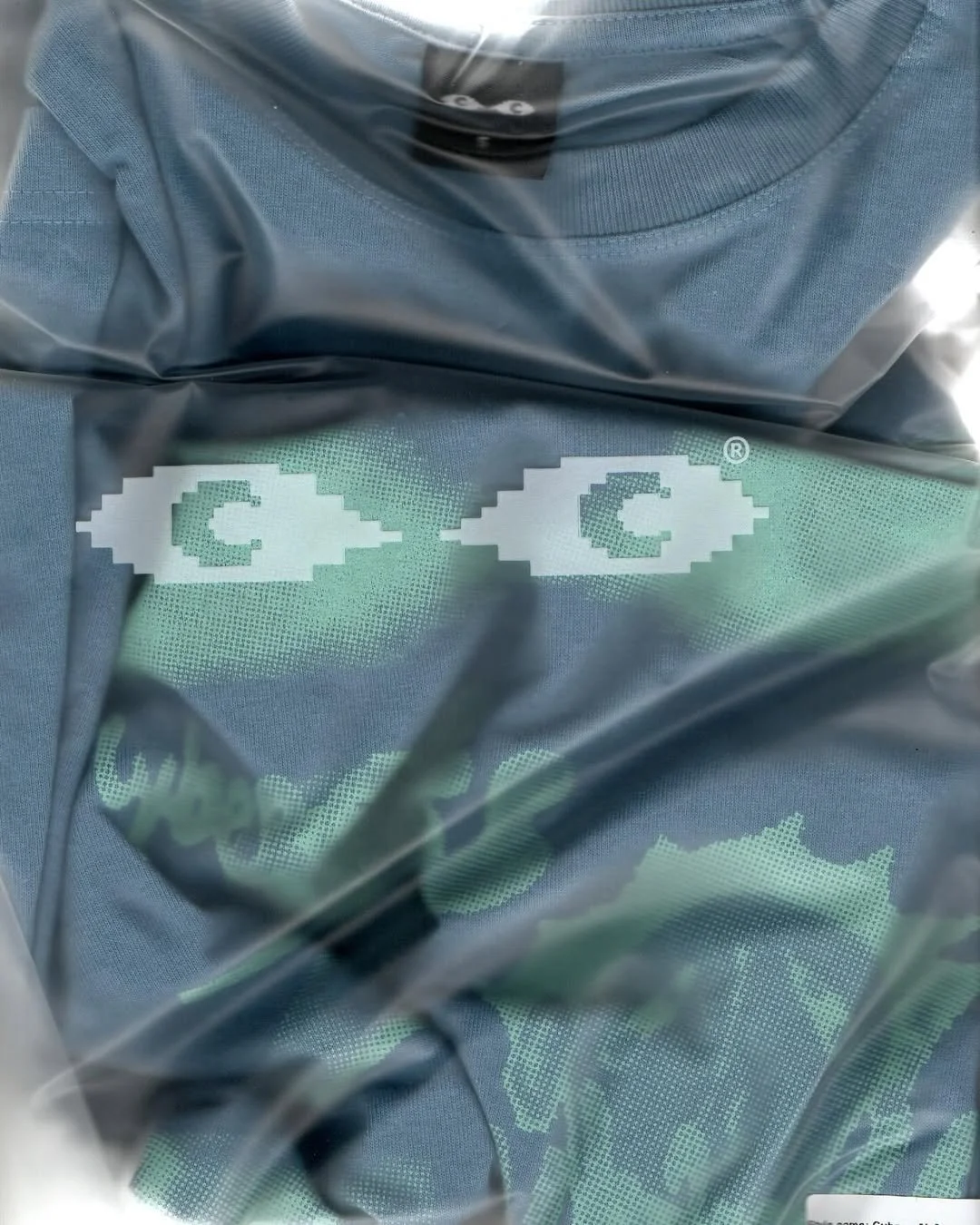
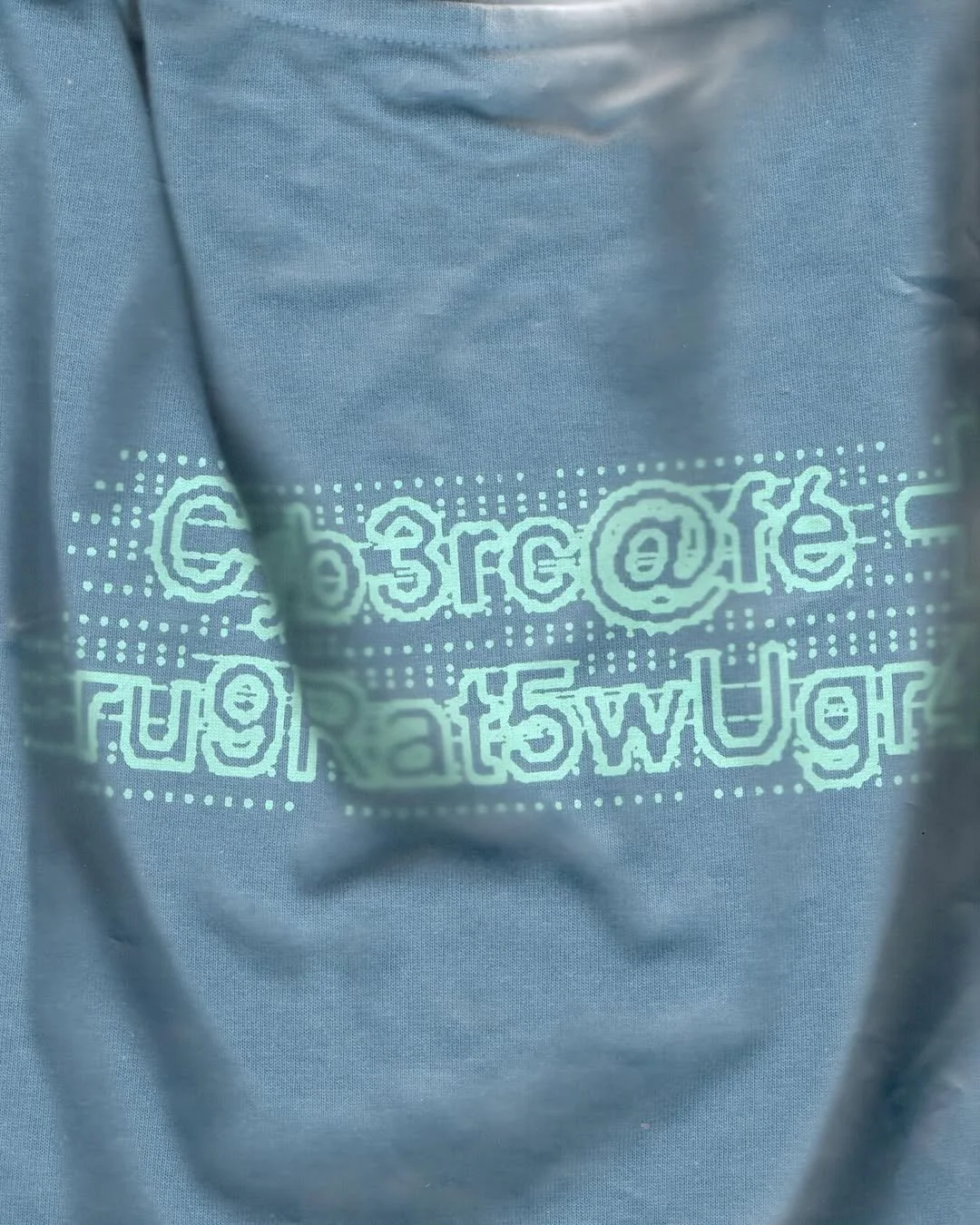
You’ve worked with Cybercafé Skateshop on several occasions. How important are collaborations like these for the brand’s growth and positioning?
It was a very important opportunity for us. Cybercafé Skateshop is a reference point in European skate culture, and we’ve always had a lot of respect for their work. We admire the way they communicate and the curation they put forward, and from an early stage they believed in what we were doing and connected with our work.
It was in their space that we held our first pop-up, which allowed us to establish a physical presence and reach a wider audience. It was a key partnership for the brand’s growth, and a form of validation of the path we were taking.
Over the years, you’ve expanded the brand’s universe into different products. Is there any piece you haven’t been able to bring to life yet, but would really like to release in the future?
The list is honestly too long to fit here, because there are so many things we’d still like to experiment with and create. What we enjoy most is the creation process itself - whether that’s small details like innovative packaging or labels made from different materials. That said, if each of us had to choose a piece, it would be:
Leo: In my case, I’d really like to develop a jacket with a much higher level of detail than anything we’ve done so far.
Pierce: I think in these first years we’ve already managed to scratch off a lot of the goals we initially had, like the bracelet, reversible belt, or scarf. So, partly because it feels more out of reach right now, I’d say a collaboration with a footwear brand. It would allow me to explore different materials, innovate on silhouette, and also develop a more experimental packaging approach, as well as plan and produce the entire visual communication around it — video and photography included.
Rúben: More than a specific piece, I’d like to have the means to present increasingly consistent collections. We’ve already had the intention to explore different materials, like mohair, for example, but everything has its time. What matters most is continuing to expand the universe of the brand.
What advice would you give to someone starting an independent brand today?
We believe success isn’t measured solely by numbers or recognition. Of course, those things matter, but what remains most rewarding for us is the process itself. Meeting people, learning new things, and seeing ideas take shape ends up being one of the most fulfilling parts of it all. Many of our best experiences have come precisely from that.
A positive message to our community :)
First of all, we want to thank everyone who follows and believes in the project. It’s thanks to this community that we’ve been able to keep the freedom to experiment, take risks, and build this universe exactly the way we always imagined.
We hope to keep evolving without losing what brought us here in the first place, and above all, to encourage others to follow their own ideas without being afraid of being different. We believe it’s important for everyone to cultivate their passions, but also that everything becomes more meaningful when it’s shared. In the end, it’s the people, the relationships, and the experiences we live together that make it all truly special.