Mx
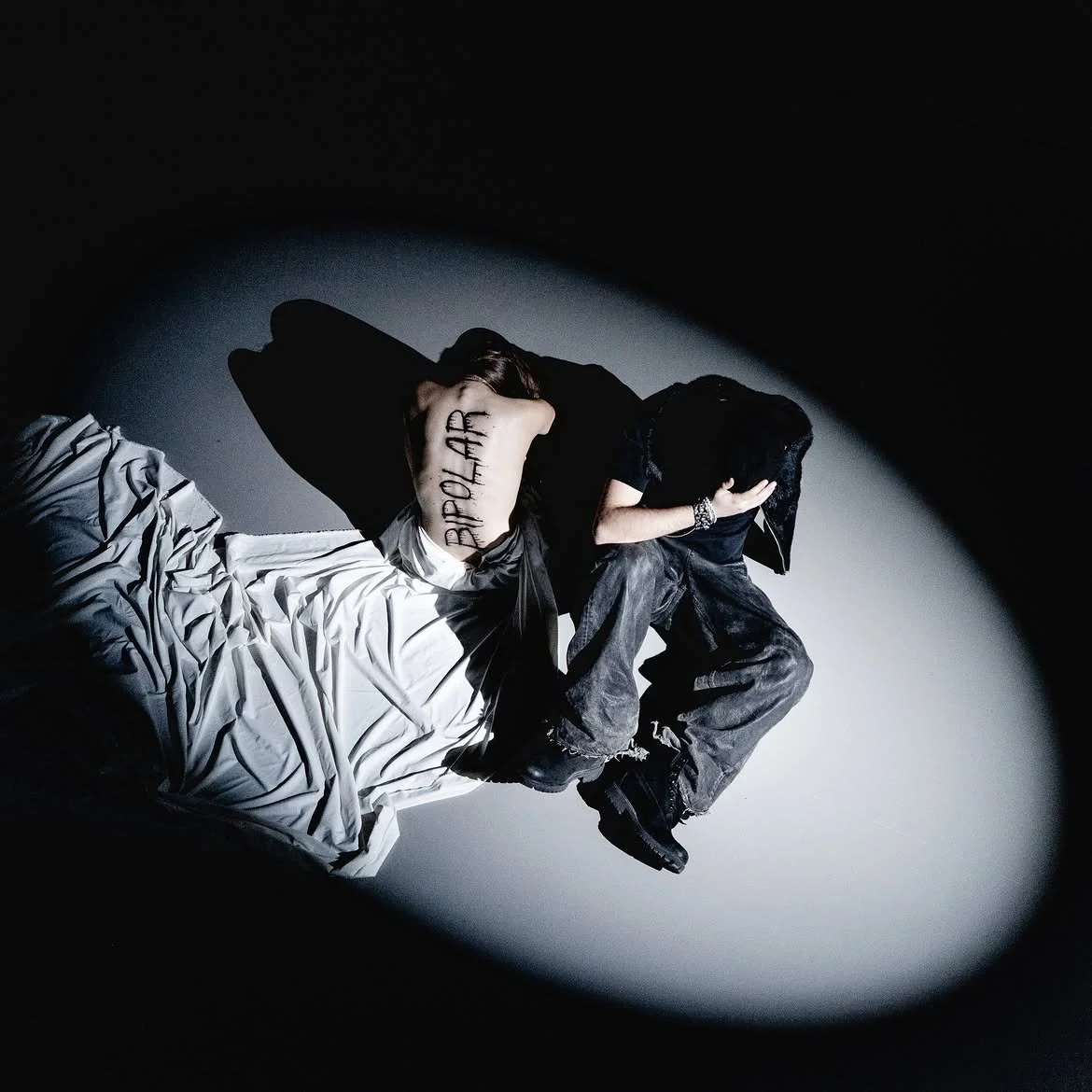
Today we're joined by Mx, one of the rising names steadily carving out his place in Portugal's underground scene. Blending trap, punk, and rage into a distinctive sound and aesthetic, Mx has just released his debut solo project, Bipolar. In this conversation, we dive into the creative process behind the record, his influences, his journey so far, and what the future holds.
You released a new solo project, Bipolar, around three weeks ago. How has the response been since its release? Has the feedback matched your expectations so far?
So far, the feedback has been crazy. I also feel like this is an album that appeals to a wide range of listeners. It's a very diverse project, with different musical styles throughout, so I believe there's always at least one track that everyone can connect with.

What was the creative process like from start to finish? Looking back, is there a particular moment during its creation that stands out to you for any reason?
The creative process behind Bipolar was very different from anything I'd done before. The album took around a year and a half to complete. During that time, I made a lot of songs and eventually narrowed them down, choosing the ones I wanted to develop and refine.
I wanted Bipolar to feel more organic from a musical perspective, so I explored the idea of creating different moments within each track through live instrumentation, moving away from a purely digital approach. I also think Bipolar is an incredibly personal project. I never expected to break that barrier this early in my career. I never wanted people to label me as just a "trap artist" or associate me with a single sound so soon.
On a personal level, I think the most important part of making this project was giving myself the freedom to explore new sounds while staying true to who I am. No matter how much I experimented, I always wanted my identity to remain at the core of the music.
As for a memorable moment, I'd have to mention the conversation I had with Holympo and Bella Saint at my studio. Towards the end of 2025, I had put Bipolar on hold because I wanted to focus on other projects. Looking back, that's one of the mistakes I make most often - I struggle to know when a project is truly finished.
That conversation was the turning point that pushed me back into working on the album. If it wasn't for the two of them, Bipolar probably still wouldn't have been released today. I'll always be grateful to them because they helped me reconnect with the direction the project needed.
There's a strong emotional weight throughout the project, something that's become a defining characteristic of your music. Was there a specific moment or experience that sparked the writing process, or did it come together more gradually over time?
The starting point for Bipolar was, without a doubt, myself and my everyday life.
The title Bipolar wasn't chosen by chance. Although I don't have any psychological diagnosis, I feel like we're living in a time where everything is becoming emotionally unstable and increasingly driven by short-term gratification. Things often feel emptier, and I'm no different - I experience that myself. That's why I see Bipolar as a reflection of my everyday life over the past few years, blending my melancholy with my frustration. They're two emotions that manifest themselves in completely different ways, but they're both part of who I am, and that gave the project a real sense of authenticity.
One moment you're listening to a hard-hitting, hardstyle-inspired track, and the next you're hearing a song built around nothing but an acoustic guitar. That's exactly the experience I wanted to create for the listener - to make them feel a little uncomfortable and constantly challenged by what's coming next.
Bipolar is a project without rules. Bipolar is me. It's bigger than music.
To celebrate the release, you organized a launch event in your hometown. How important are moments like these to you?
I was born in Guimarães, and my first studio was in São Martinho, inside an old industrial warehouse. That was where everything happened - I threw parties, hosted creative retreats, recorded countless songs, and even made O Ecos do Vazio entirely in that space.
In June 2026, I lost access to the studio, and that's when I knew Bipolar had to come full circle and end exactly where it all began. I chose to prioritize the concept and the emotional value that place holds for me instead of hosting the event in Porto, where I probably could have brought together a bigger crowd. It was a really important moment - a true closing chapter for the project and for this long journey.
I'd also like to give a special thanks to Terraço Norte and to Chiquinho for helping make it all possible.
The name, Mx, has a certain mystery to it. Is there a story or meaning behind it?
I can't say too much about it, but it's a name I inherited from my older brother.
Your music blends elements of rage, trap, and punk into a sound that feels both experimental and distinctly your own. Who or what have been your biggest influences in shaping that identity?
I think my sound, especially on Bipolar, brings together a wide range of influences. I'm someone who draws more inspiration from people's personalities than from their music itself. That said, speaking purely in musical terms, I'd say the artists who have influenced my work the most are XXXTentacion and 2hollis.
You've built a very distinctive visual identity alongside your music. In today's landscape, do you think an artist's image is almost as important as the music itself? How do you approach and develop that side of your artistry?
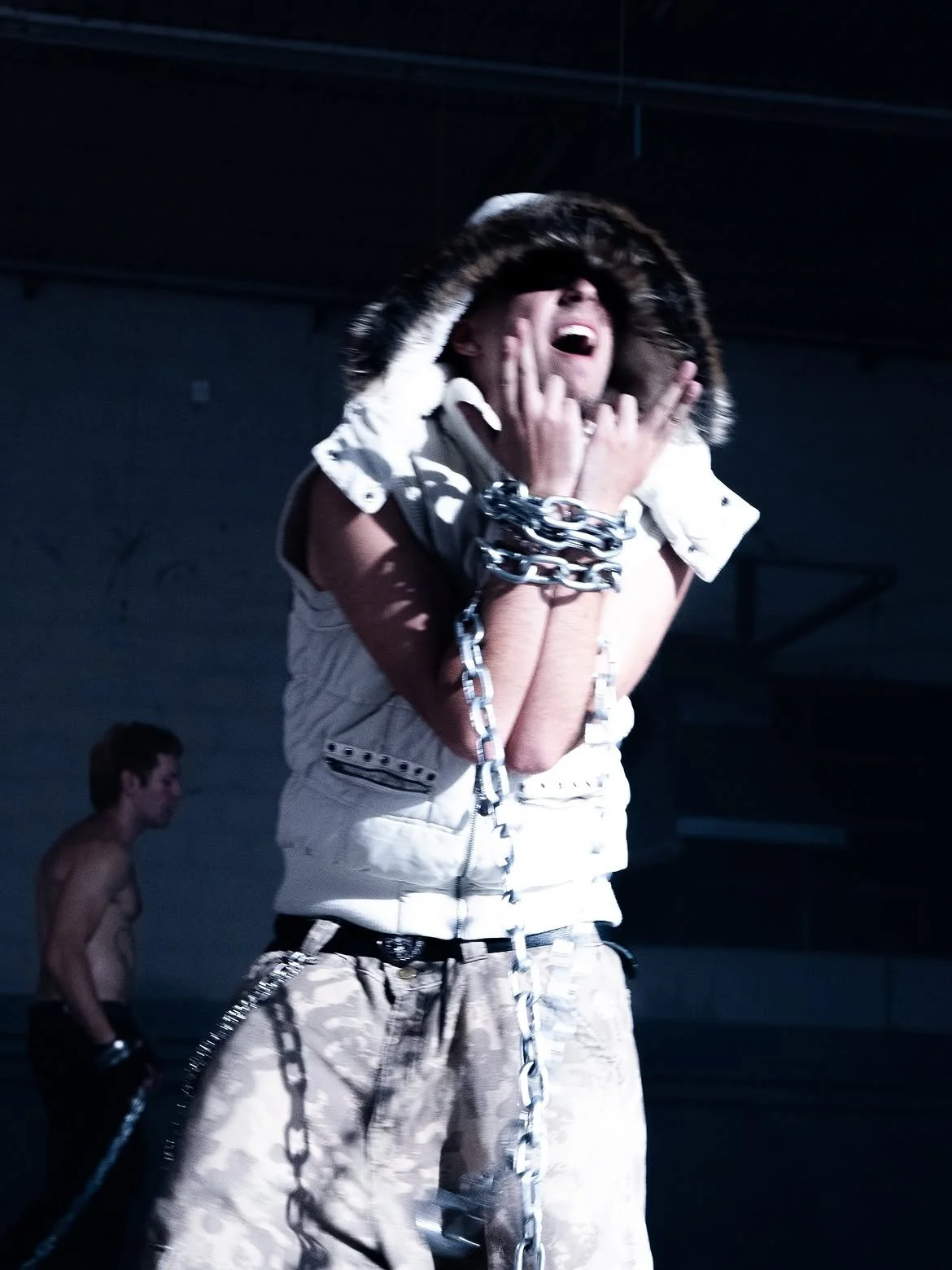
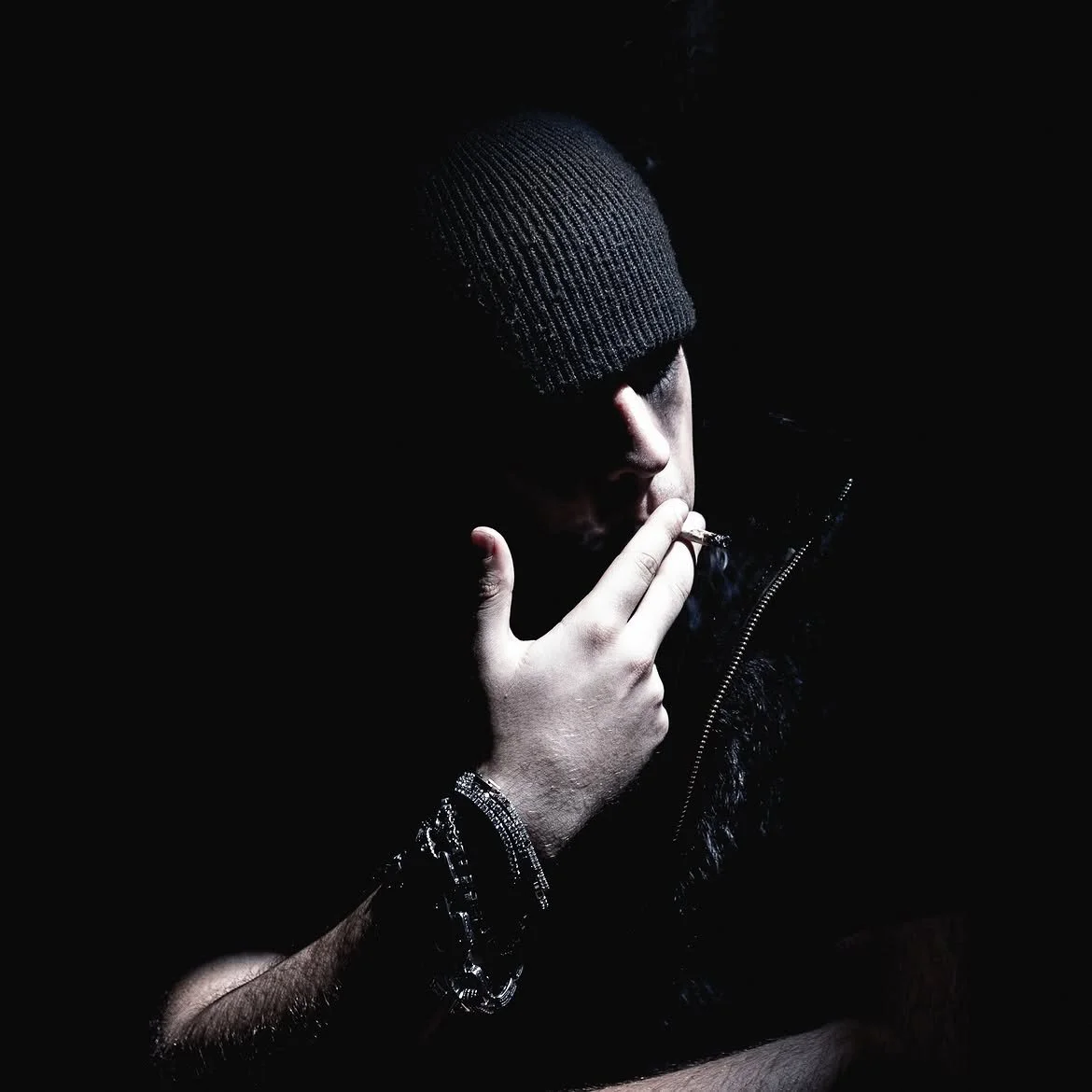
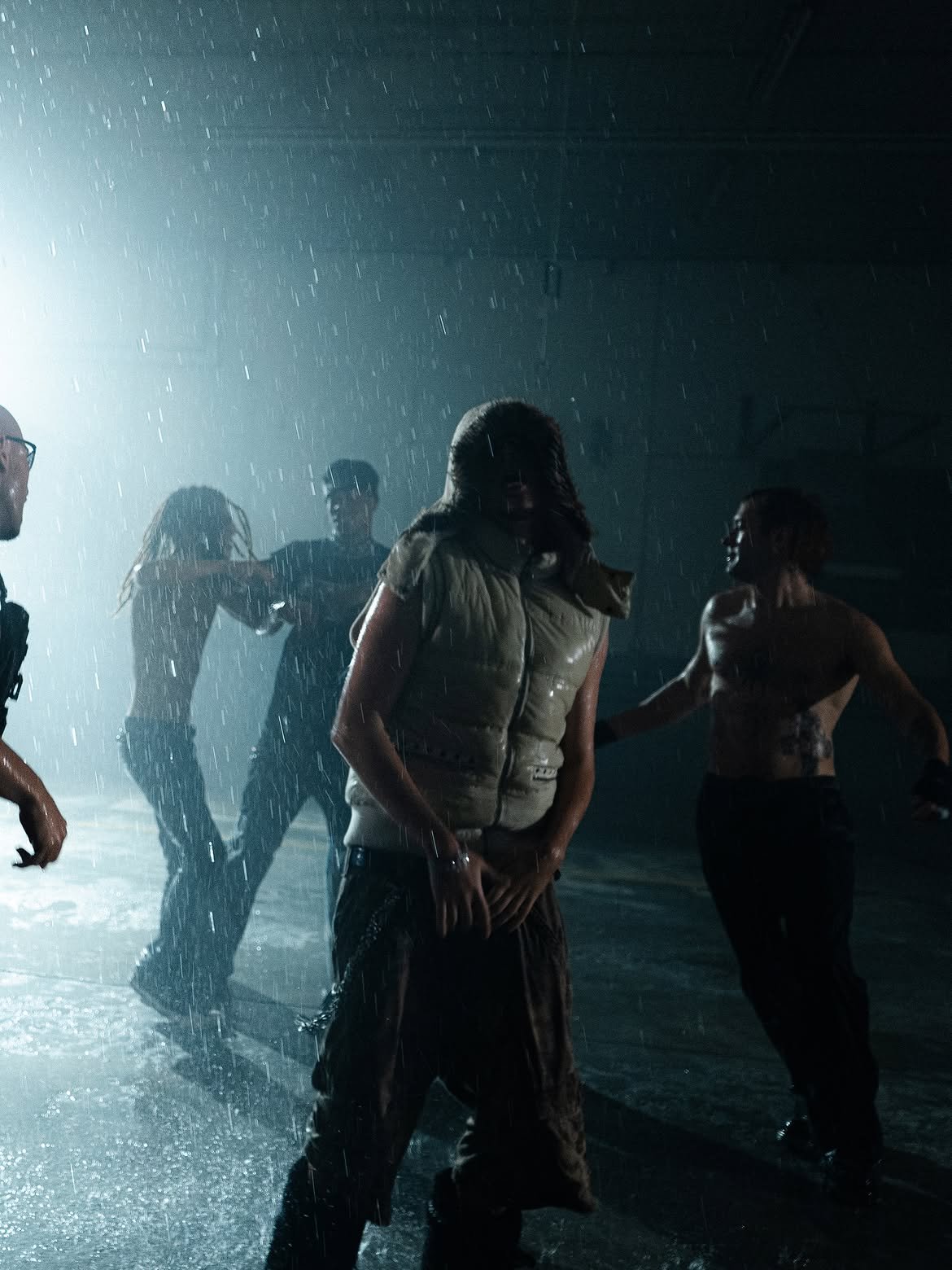
I feel like visuals have always been just as important as the music itself. Building a universe - a world that listeners can connect with and where they can understand who you are through your visual identity is essential. I love working on that side of the creative process because, at the end of the day, I always try to express who I am through metaphors.
I also think there's still a lack of artists in Portugal who truly invest in that aspect of their artistry, and that's one of the things that makes Mx stand out. At the same time, I feel like a lot of people today are more focused on constantly being visible than on showing up less often but with greater consistency and purpose.
The market is completely saturated. Everyone relies on platforms like TikTok and Instagram to endlessly recycle their music, their art, and their content. People have convinced themselves that's the right path, but in doing so, they've forgotten what it really means to be an artist. Being an artist isn't about numbers - it's about the need to create, to have something meaningful to say, to challenge people's perspectives, and to open their minds to new ways of seeing the world.

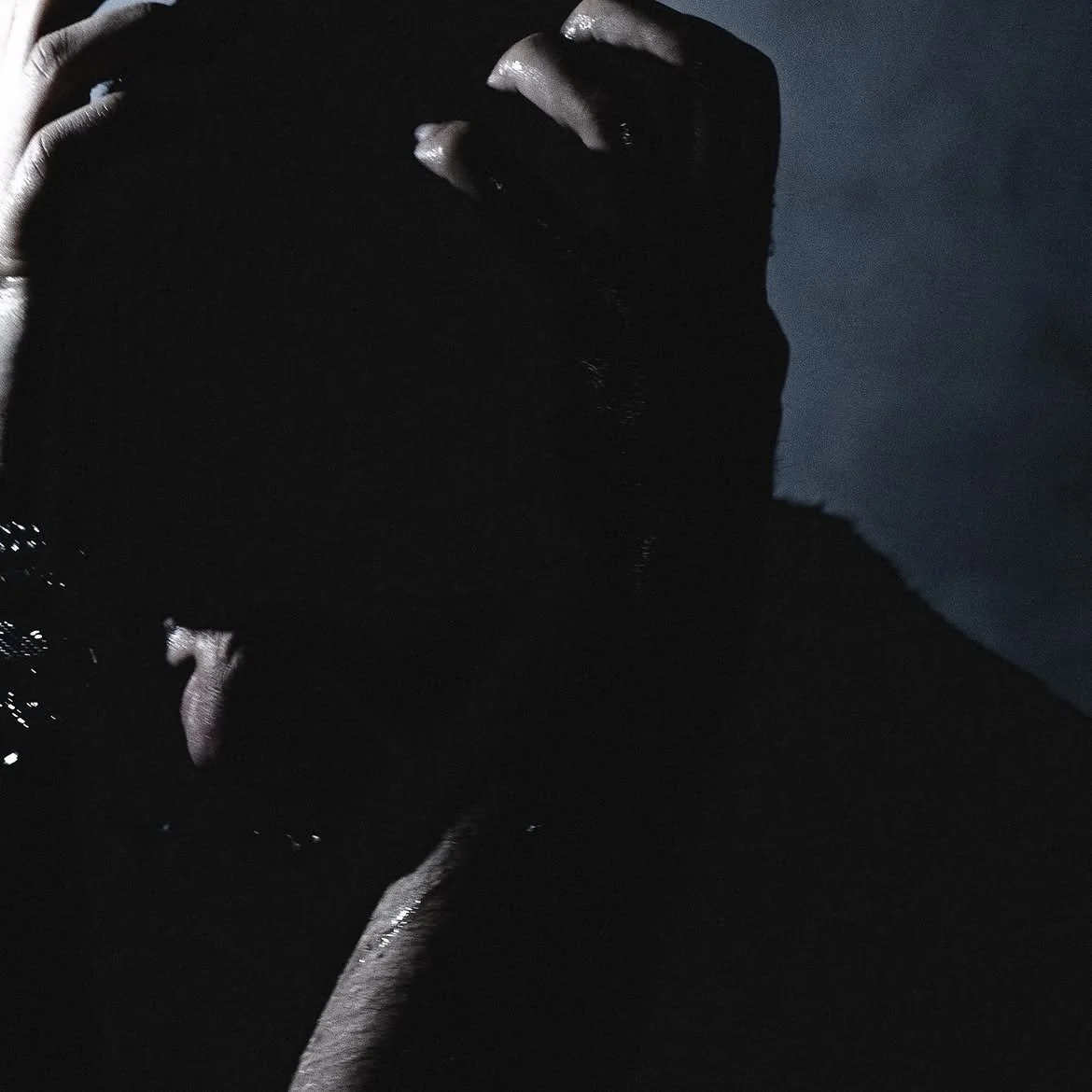
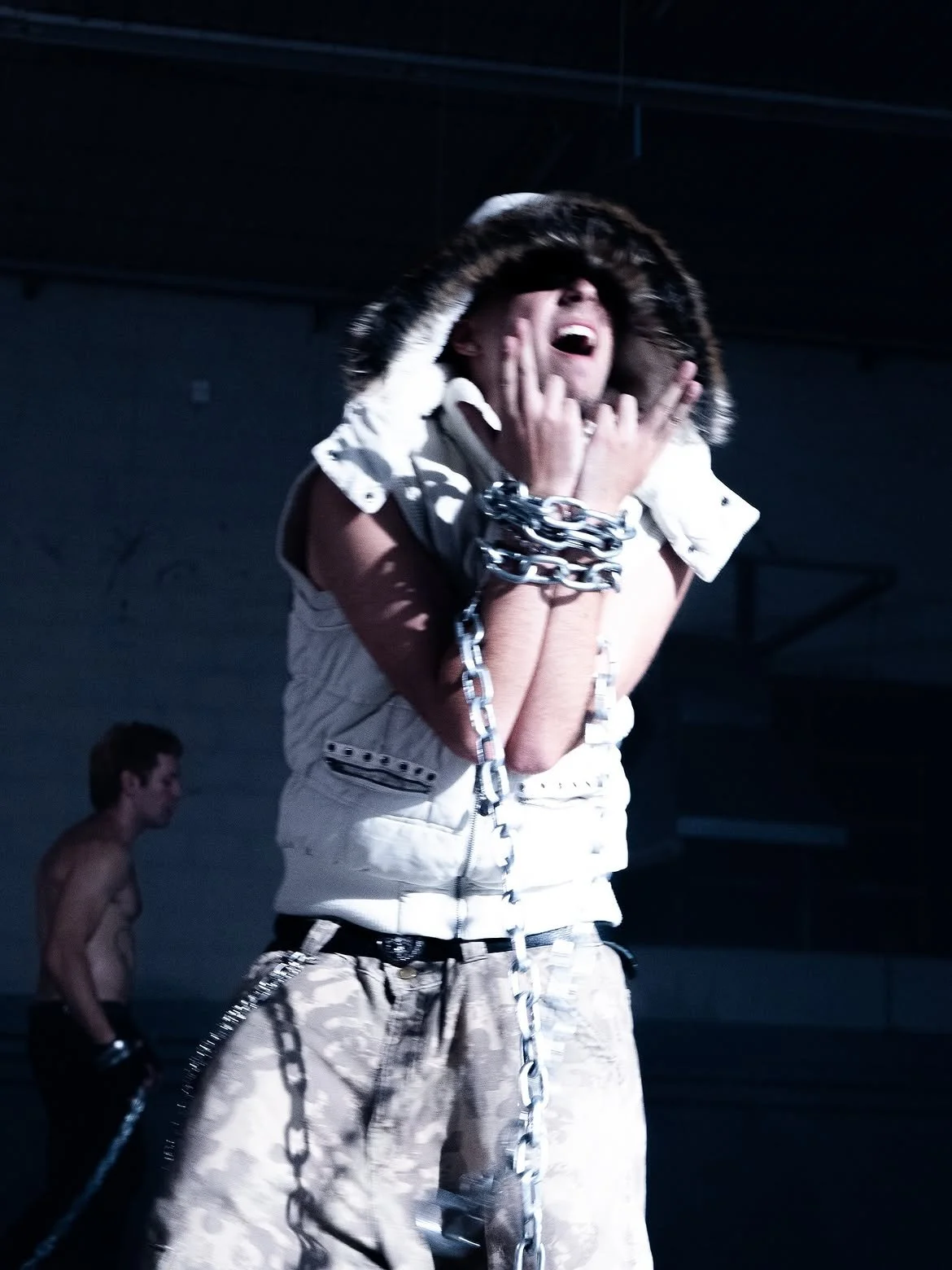
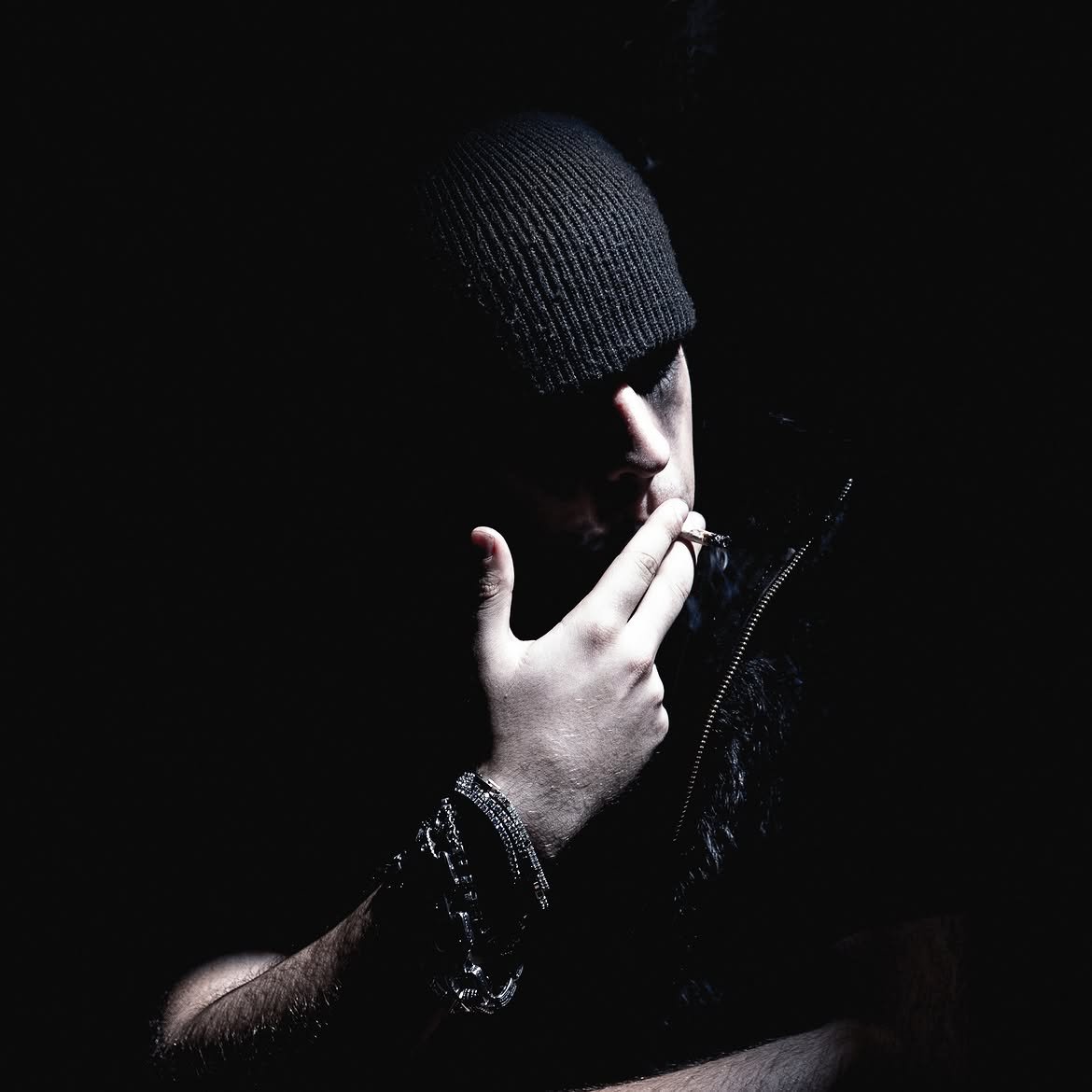
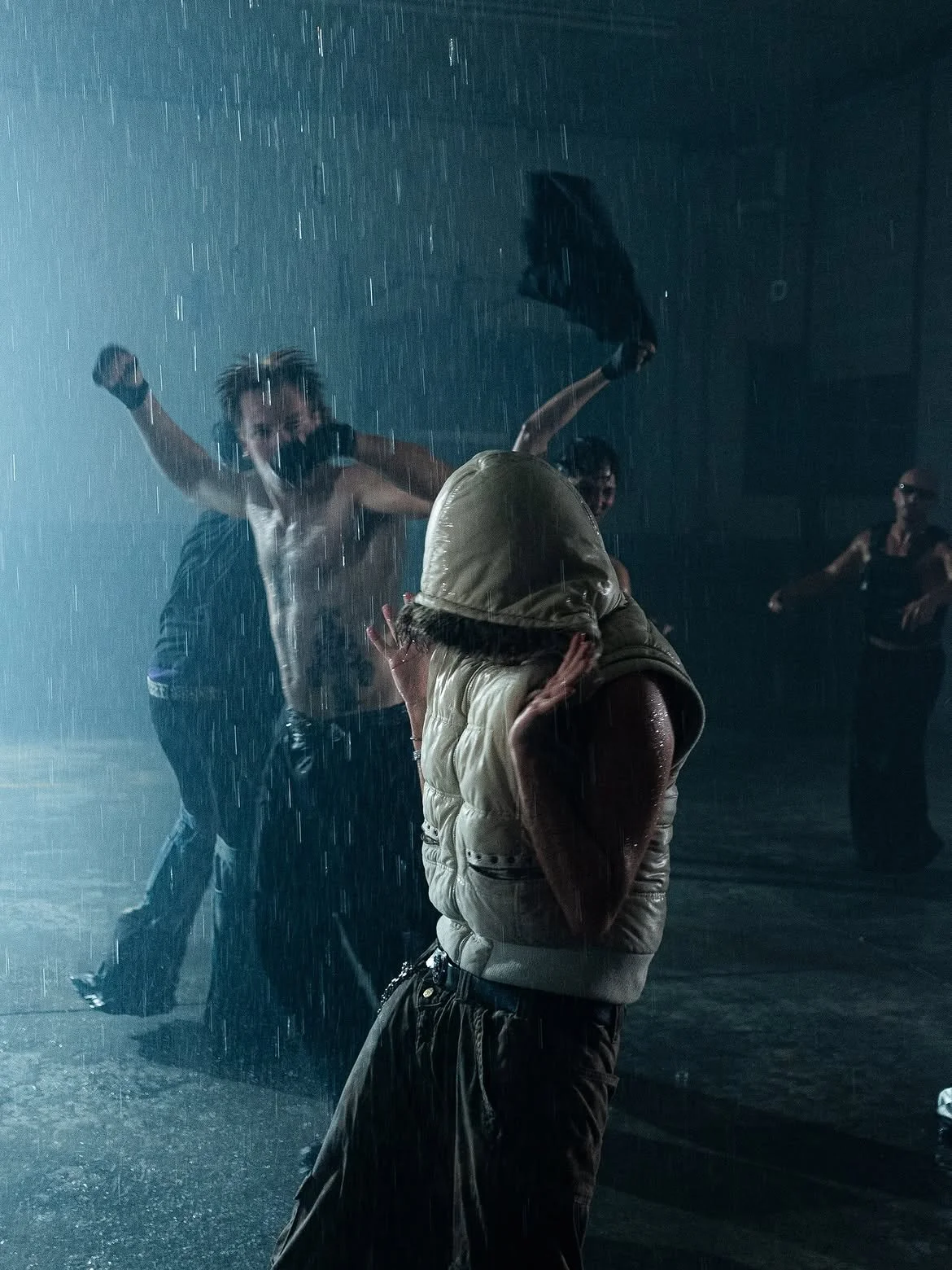
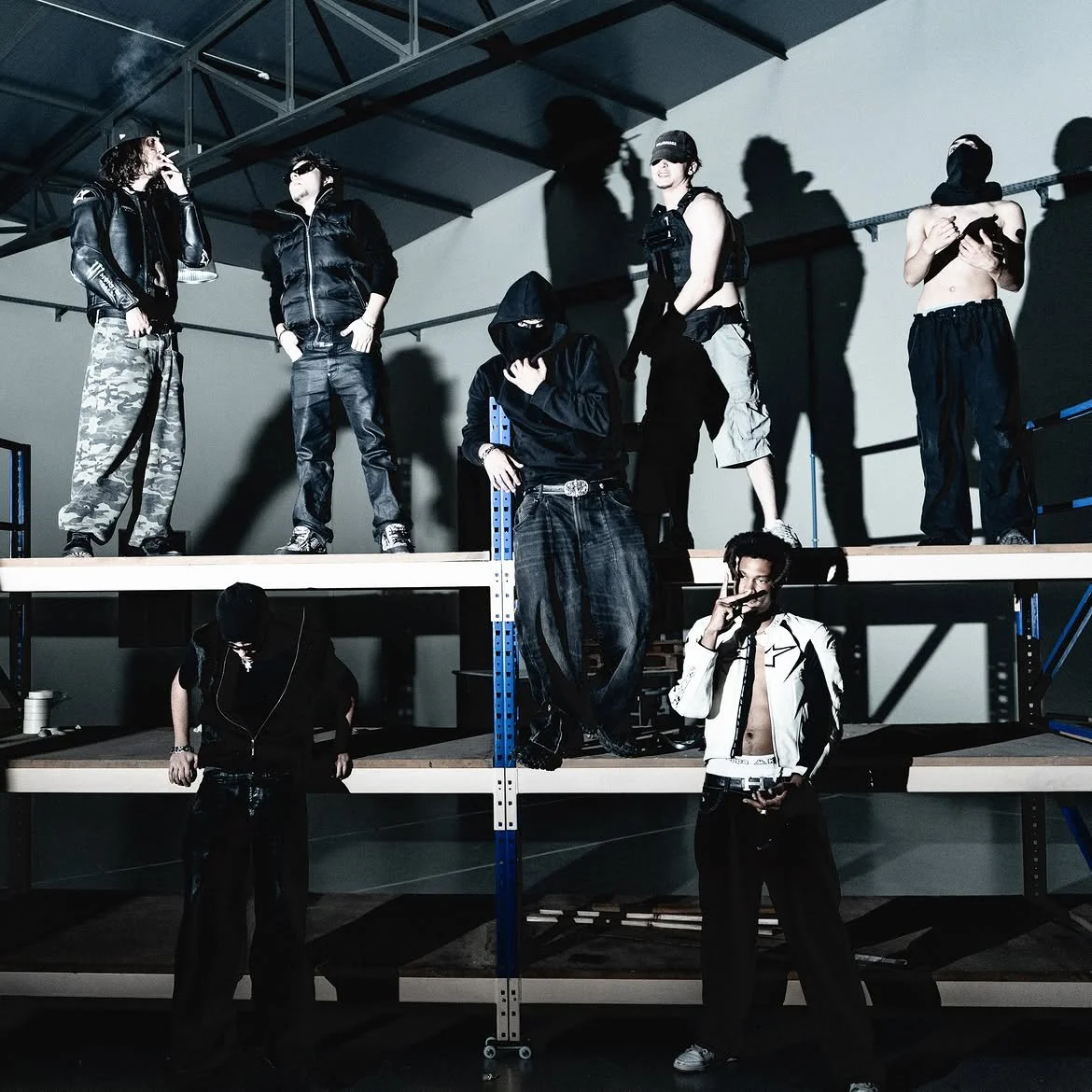
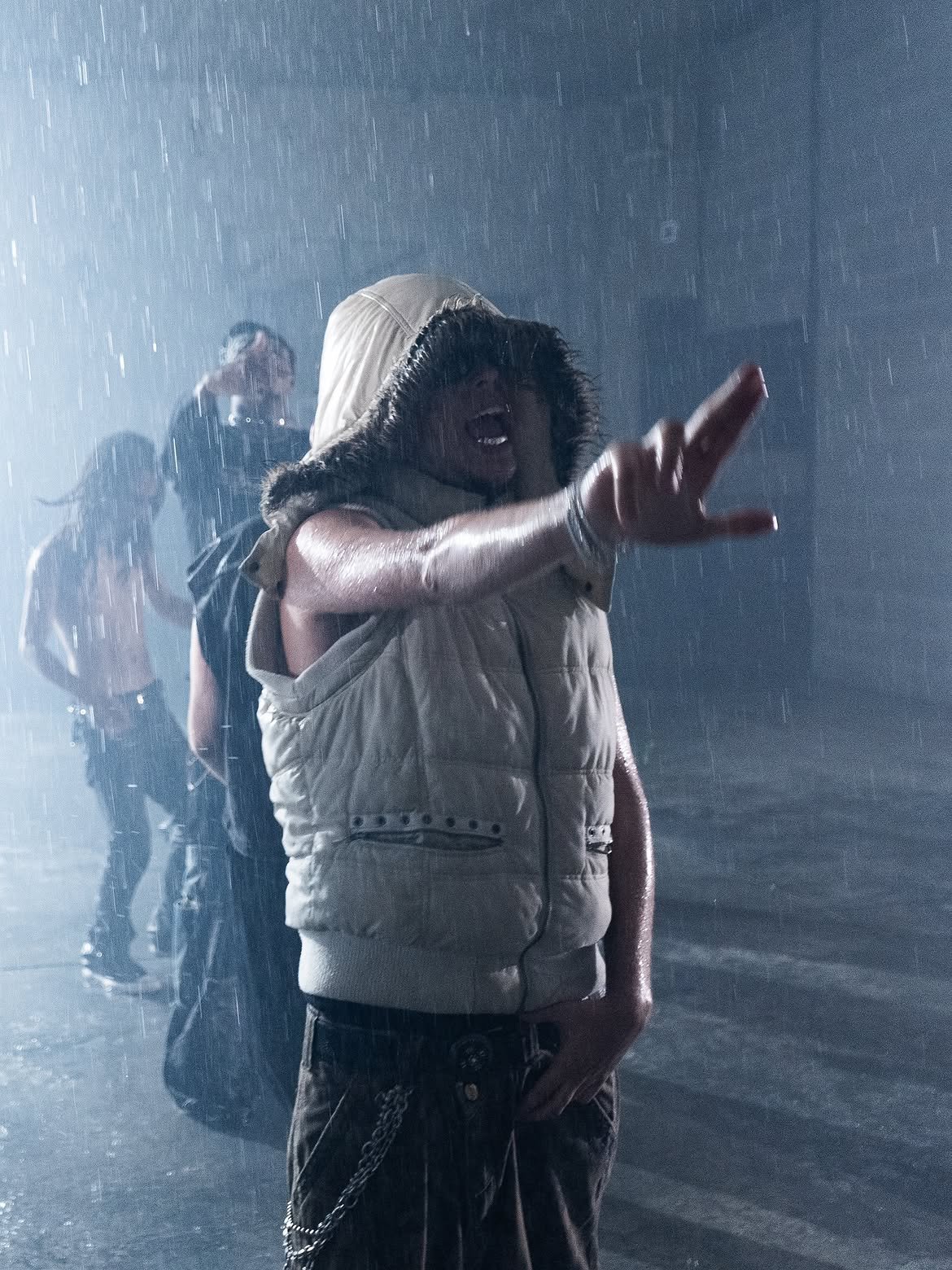
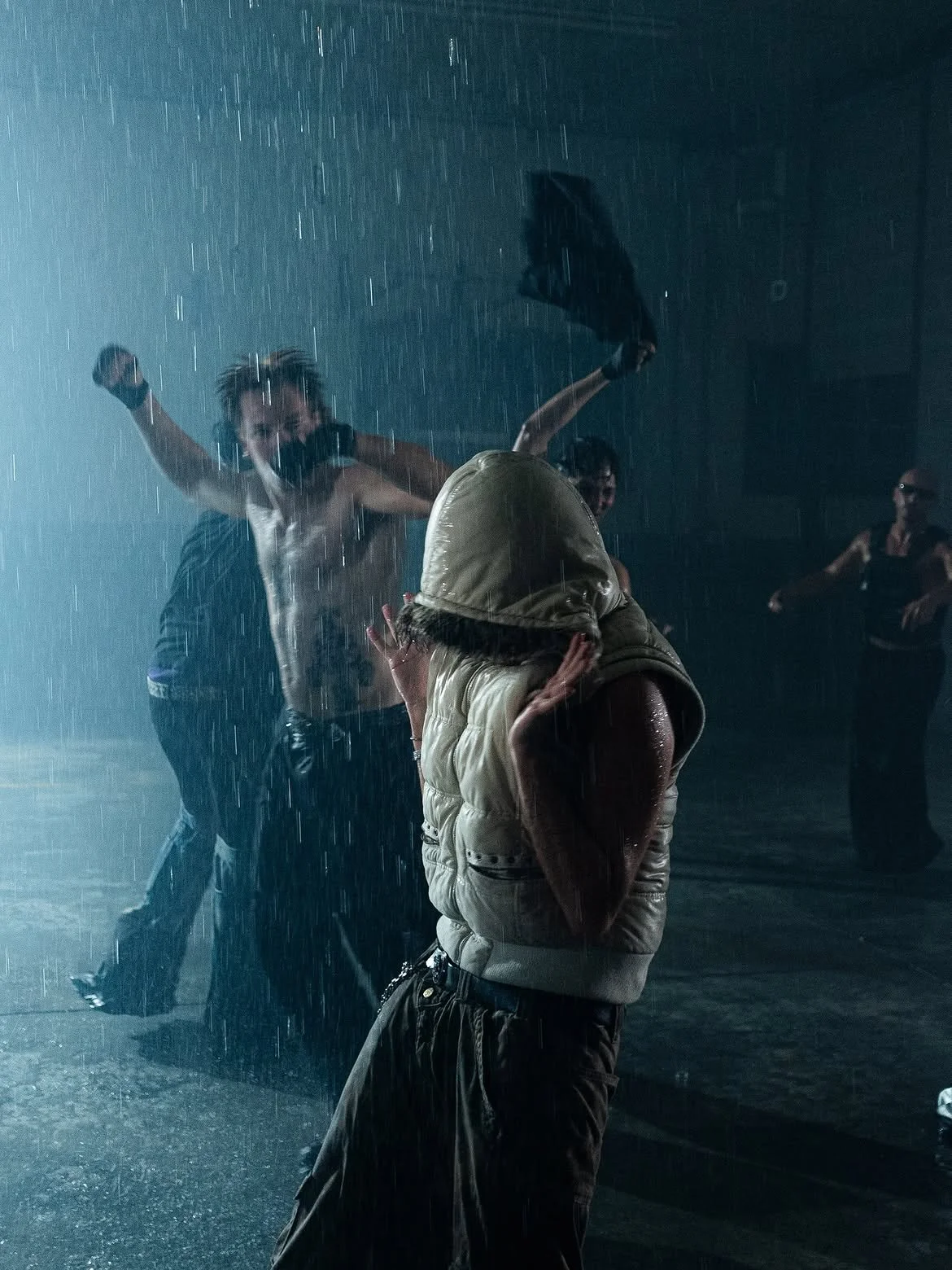
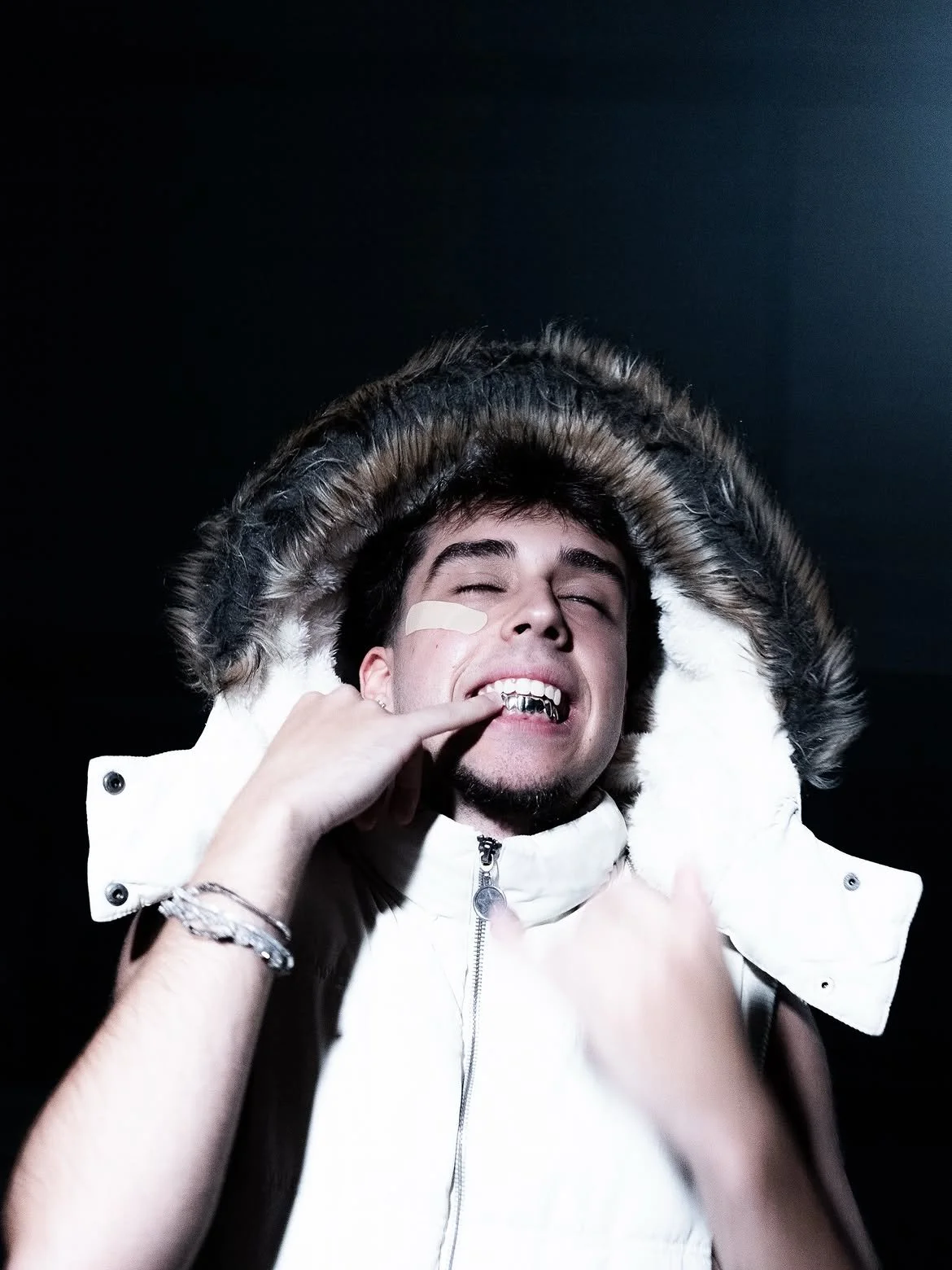
Your visual identity has become one of your strongest trademarks, and a big part of that comes through your collaboration with the Terraço Norte team. What's the creative process between you like?
Besides working with me on almost every project I do, the guys from Terraço Norte are also my best friends, which makes our communication and the way we work together feel completely natural.
I think our creative process is actually pretty simple. Most of the time, I show up with the music, they listen to it, I share the initial concept, and then they bring it to life through the direction and visual side of the project. In the end, everything is built collaboratively. It's always a shared creative process.
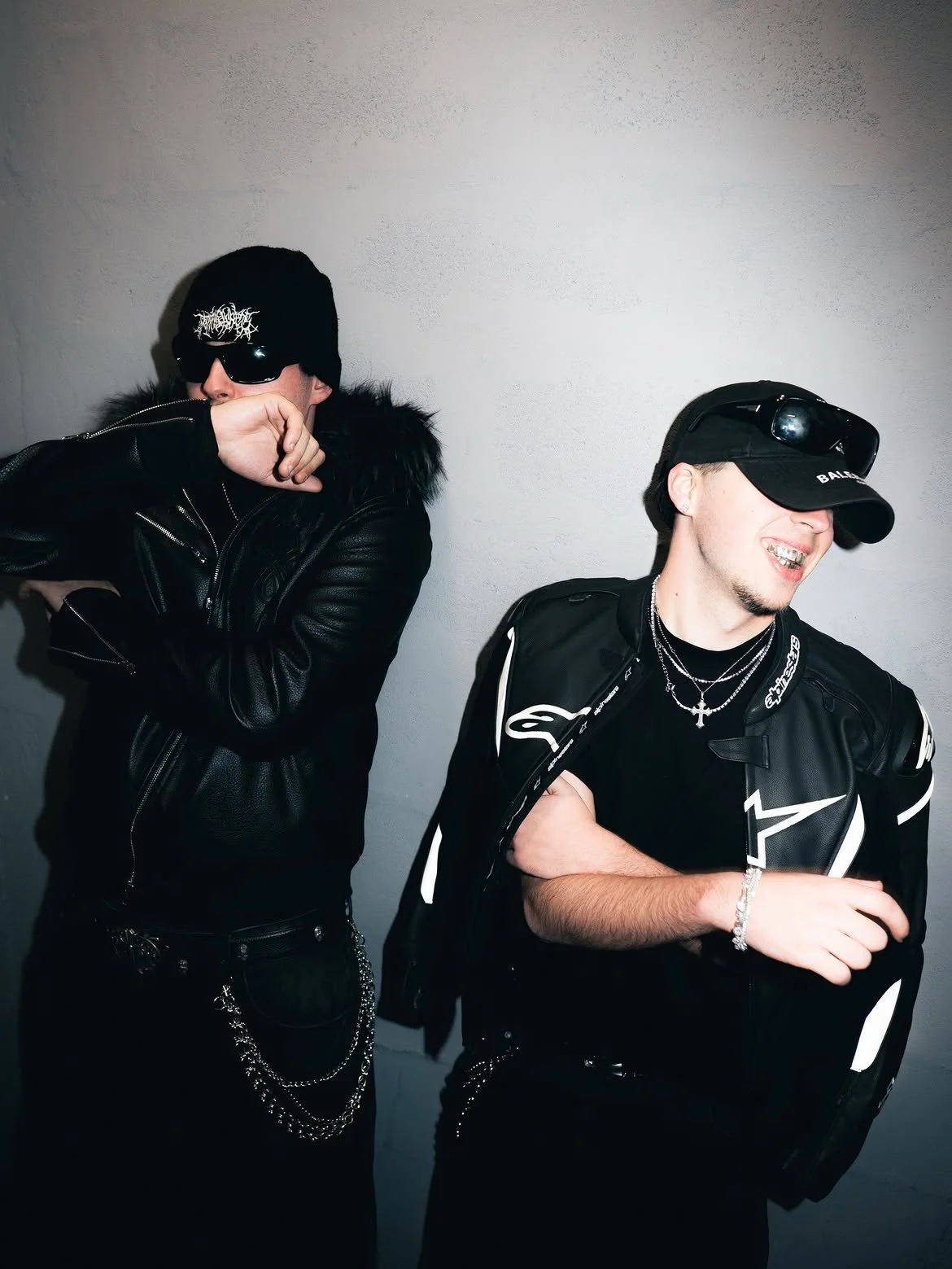
You've been working with Norty for several years now, and this project is another example of the strong creative partnership you've built together. How did you first meet, and what makes your collaboration work so well?
I've known Norty for a relatively short time - around two years. He's someone I really connect with, not just musically but on a personal level as well. I believe in the person he is, and I feel like we share a very similar vision. We're different in some ways, but at the same time, we're remarkably alike. I think that's exactly what makes our connection so special. Without a doubt, he's one of the most important people life has brought into mine.
Working with him feels incredibly natural. We almost always see things the same way, and we're both open-minded and understanding. Even when we have different perspectives, we trust each other's vision. I'm sure we'll be working on many more projects together in the future. #NTE
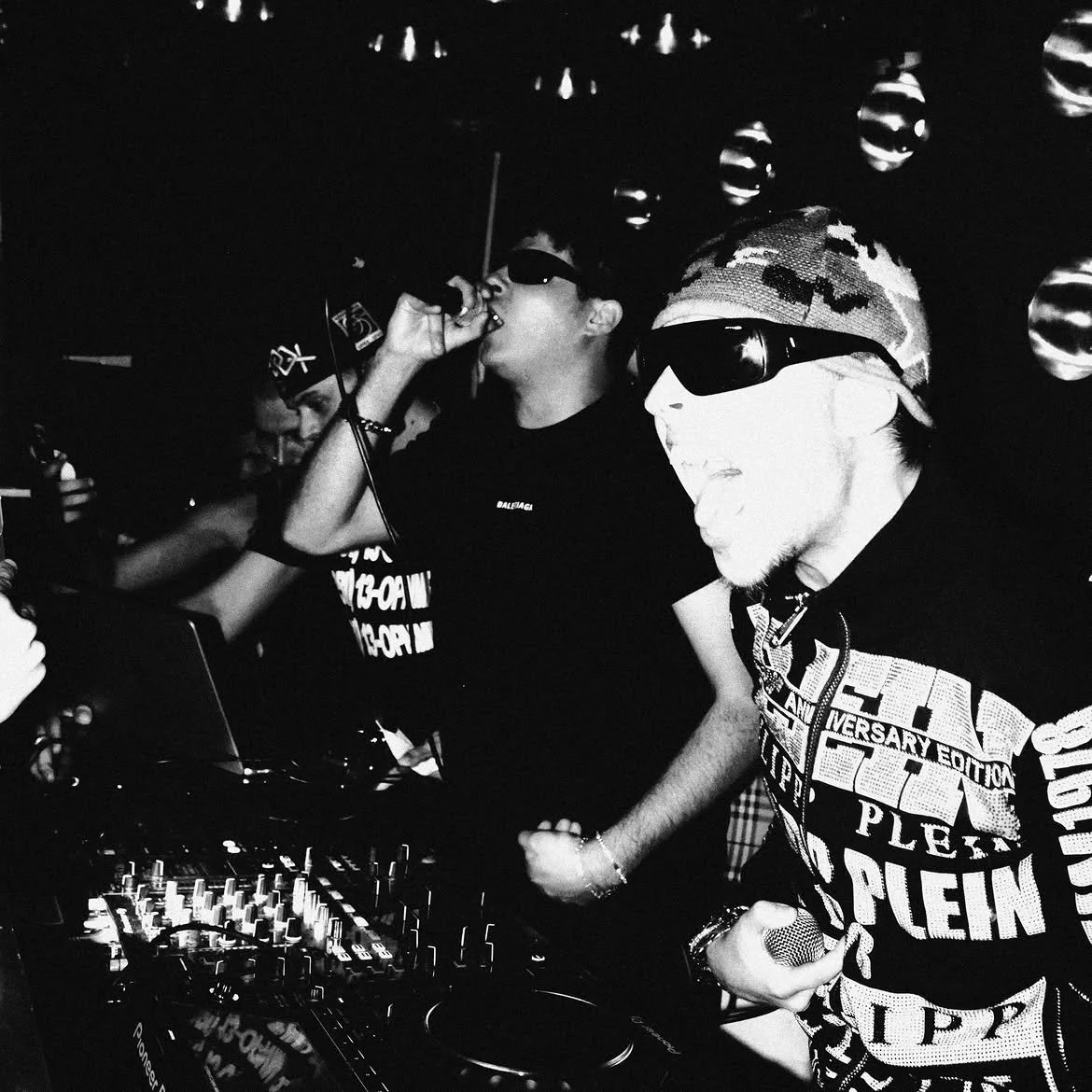


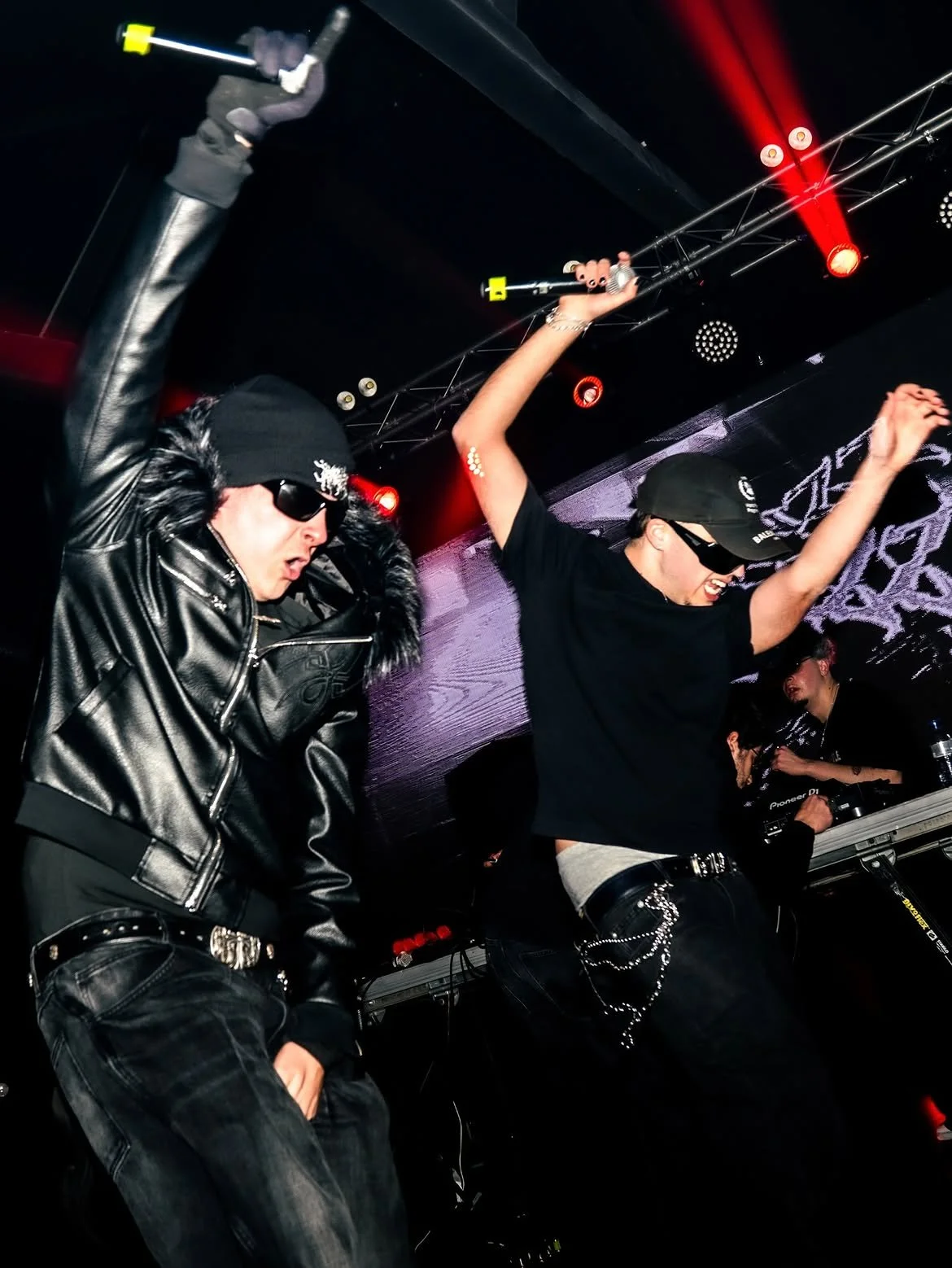
You're part of a new generation of artists helping put places like Guimarães, Santo Tirso, Braga, and Famalicão on the map. How have you seen the scene in that region evolve, and what do you think makes it so exciting right now?
That's a difficult question for me to answer. In my mind, Portugal is such a small country that growth often feels slow. It's rare for me to truly connect with someone's work, especially within the local scene.
I also think there's still very little room in Portugal for people to express themselves artistically - to be genuinely different and unapologetically themselves. Anyone who steps even slightly outside the norm usually becomes an easy target for criticism and hate.
It might sound like the same conversation people have been having for years, but I still don't feel like much has changed in that respect. That said, if I had to highlight one place, it would definitely be Famalicão. I think it's one of the most talented cities in the north of Portugal right now, and probably one of the places with the greatest potential for the future of music, production, and audiovisual culture in the country.
There are a lot of talented people there, but above all, there's a real drive to make things happen. To me, that's still the most important thing.
Looking at the portuguese scene as a whole, how do you see the current state of the country's music landscape? It feels like this new generation is carving out its own space and building a strong movement. Do you agree, and where do you see it heading?
I'll build on what I said in my previous answer, while making it clear that this is just my perspective as someone who's always consumed a lot of music and creative work from outside Portugal.
One thing is undeniable: in 2026, I genuinely feel that the Portuguese scene has grown. There are a lot of exciting artists on the rise, and trap and hip-hop have started to regain space on radio stations and festival lineups. That has given the movement much greater visibility, and I'm genuinely happy to see that progress. At the same time, I still feel like we're missing artists who are willing to take bigger creative risks and have the courage to do something truly different.
I'm not here to judge anyone's art - everyone should make the music they believe in but from a purely artistic standpoint, I still don't feel like there's been a major shift. And I don't even think that responsibility falls on the up-and-coming artists. If anything, it probably lies more with the mainstream.
It's rare for me to listen to a project from a major artist in Portugal and feel like it was created out of genuine artistic necessity. Too often, the music feels designed to appeal to the masses, get radio play, and generate numbers - as if music is being treated purely as a product. Everything starts to revolve around the same formulas, with very little room for risk.
Even so, I remain hopeful that things can change. Artists like JunkieMoney, Um6ra, and ghostttyboy really catch my attention because I see a genuine desire in them to innovate and bring a different perspective to the music being made in Portugal.
You started releasing music in 2022, and in just a few years you've built a career that's been steadily gaining momentum. Looking back, what's been the biggest challenge you've had to overcome so far?
Without a doubt, the biggest challenge I face in my career today is balancing my personality with everything that comes with being an artist. I'm a very private and melancholic person. Constantly being active online, surrounding myself with people, keeping up with the industry, and feeling expected to comment on everything that's happening is something I find genuinely challenging.
For me, making music has always been a way of expressing myself through art. I never imagined that dealing with other people's expectations and navigating so many different personalities would be such a demanding part of the journey.
In my mind, I thought I could spend my days locked away in my room, writing, thinking, and creating, and that would be enough to make a living from music. But now I realize the reality is very different, and sometimes that can be intimidating. Even so, there's no turning back now.
More and more people are stepping into the scene, hoping to build a path similar to yours. Looking back at your own journey, what advice would you give to someone who's just starting out in music?
Be yourself. Everyone has a different story to tell, and if you want to be an artist, it's because you have something meaningful to express. Don't be afraid to be different or to explore new worlds. As long as that drive comes from a genuine place, anything is possible.
To wrap things up, now that this chapter is out in the world, what's next for you? What can people expect from Mx in the coming months?
I'd love to say I already know what my next step is, but that would be a bit contradictory. Like I've said before, my projects are always a reflection of what I'm living through. Right now, I'm just waiting for life to bring me new experiences, new people, and new ways of seeing the world. That's the only way I'll be able to create another project that truly makes sense - not only to me, but also to the people who listen to my music.
A positive message for our community :)
To wrap things up, for real, I just want to thank everyone who has been supporting me and following my journey. One day, we're going to be huge. I also want to thank Portufiles for giving me the space to speak directly to you and for letting people get to know me a little better.
Thank you to everyone who's been there from the start, and a very special thank you to my family in Famalicão - none of this would be possible without them.
See you soon. Lyall