Daniel Pato
This month’s interview is with Daniel Pato, one of the most influential and undeniable names in the national scene. If you’re tapped in with the culture, you already know he’s one of the OGs of the game. Today, we look back at his journey, revisit the past, and talk about what he’s been up to lately.
To start things off who is Daniel Pato?
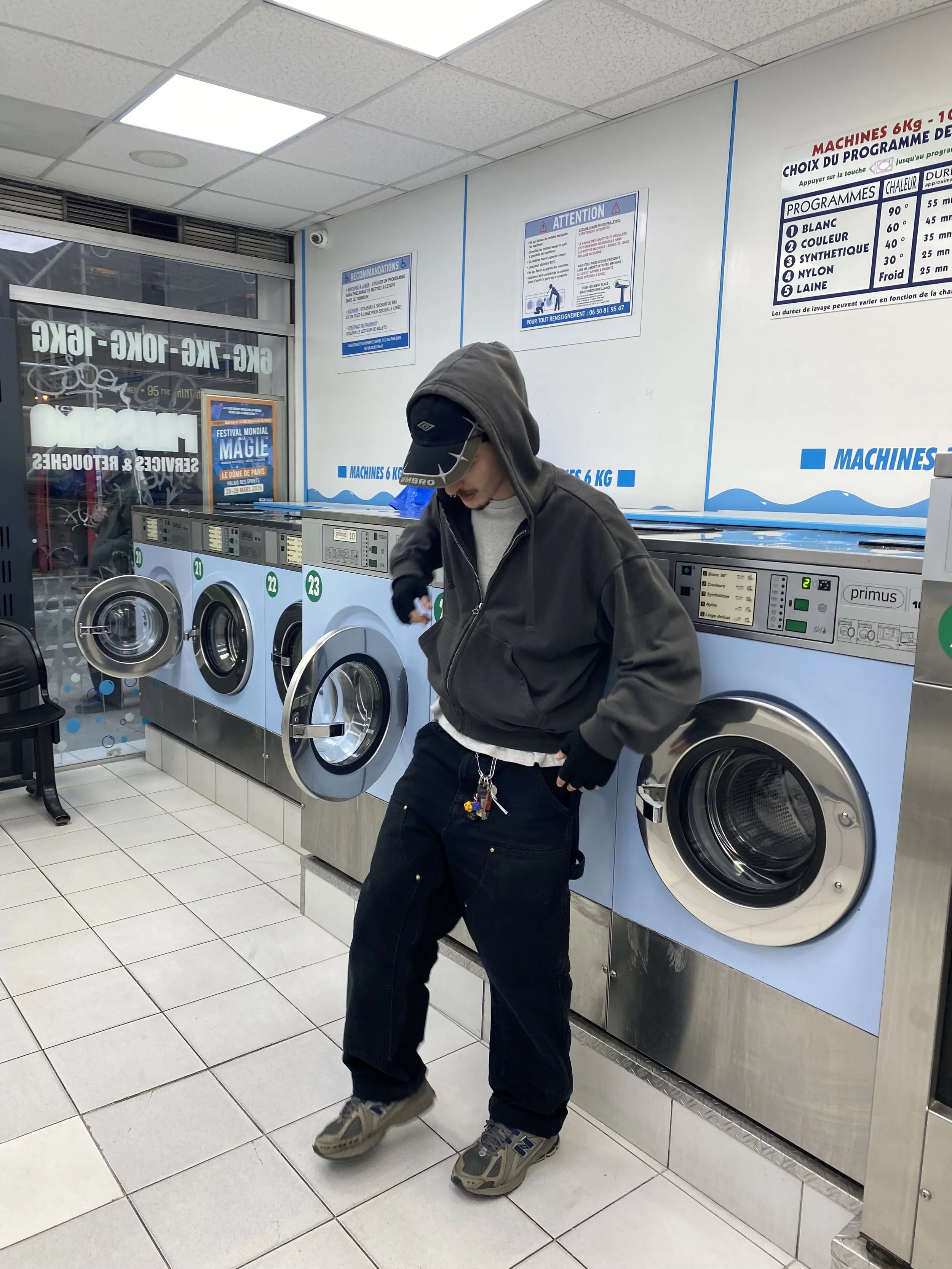
I’m a creative, and whatever I need to be to design, build and promote art and culture. I’m the son of a mechanic and audiophile with an insane knowledge of music, who passed down to me a passion not only for music, but for sound itself; and a mother who owns a small laundromat, who taught me entrepreneurship - and both of them taught me the value of hard work.
I grew up designing logos, websites and ads for fictional brands I would make up in my head. Now I work across artist management, production, creative direction, graphic design, websites, games - anything really. Alongside all of that, I have a full-time job as a product manager in tech.
You’ve always been deeply connected to music, streetwear and urban culture. How did that connection start?
Growing up, I was heavily surrounded by metal and punk. From there, I quickly found my way into other subcultures with the same appeal - drawn to their rebellious spirit and to whatever is currently pushing creativity forward, inspiring me, breaking norms, while still breathing pop culture.
You went on to create your own brand, WAVV - one of the early brands in the scene.What inspired you to create it?
WAVV started when I was 16 as a project for my Multimedia course. The original concept was clothing with NFC tags on the sleeves that could trigger actions on your phone through touch. It was the beginning of my geeky and creative sides having a child.
At the time, I received significant funding from an investor, along with support to develop a patent. But at that age, business meetings weren’t where I wanted to be, so I turned it down, dropped the NFC side of the project and focused on the clothing.
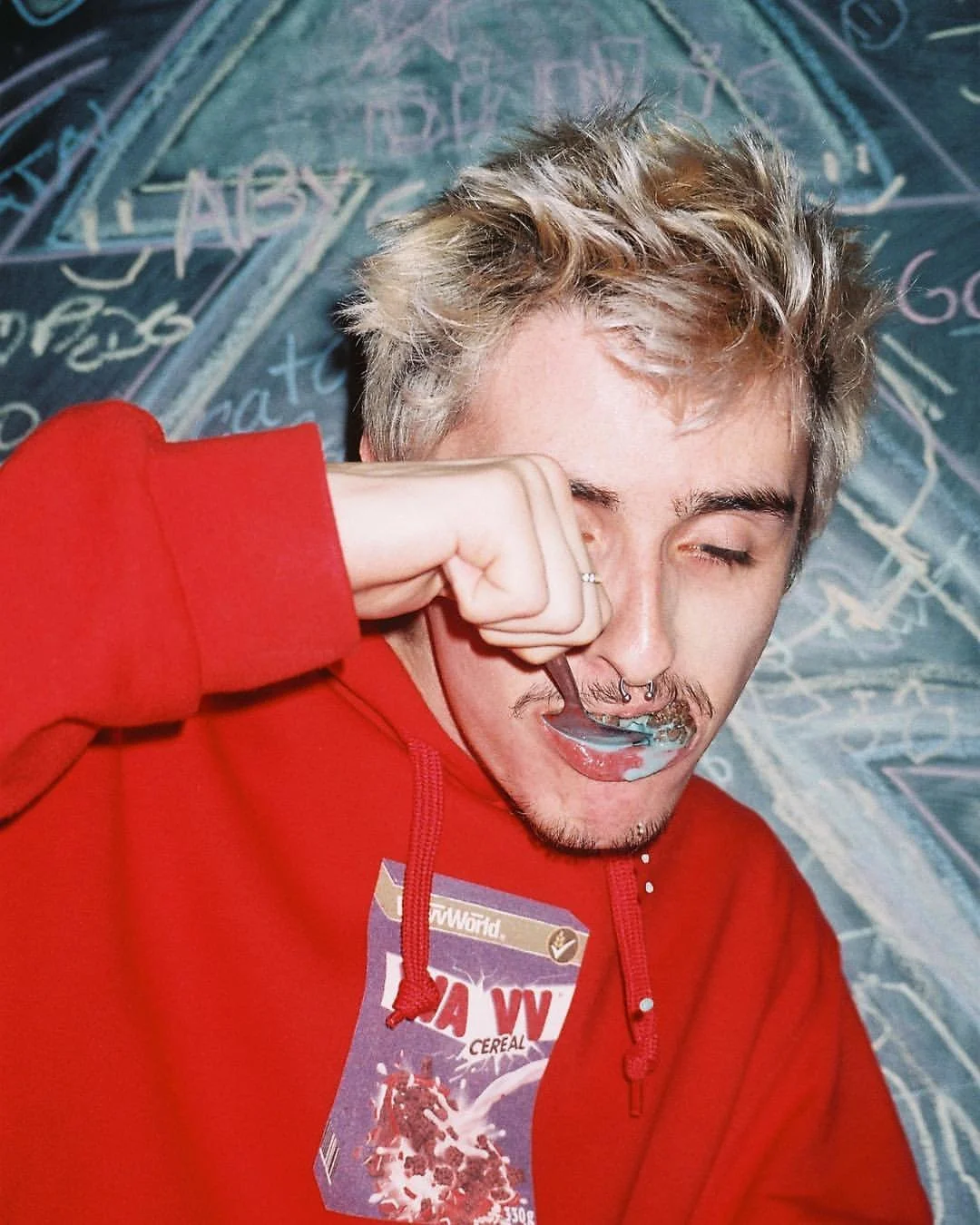
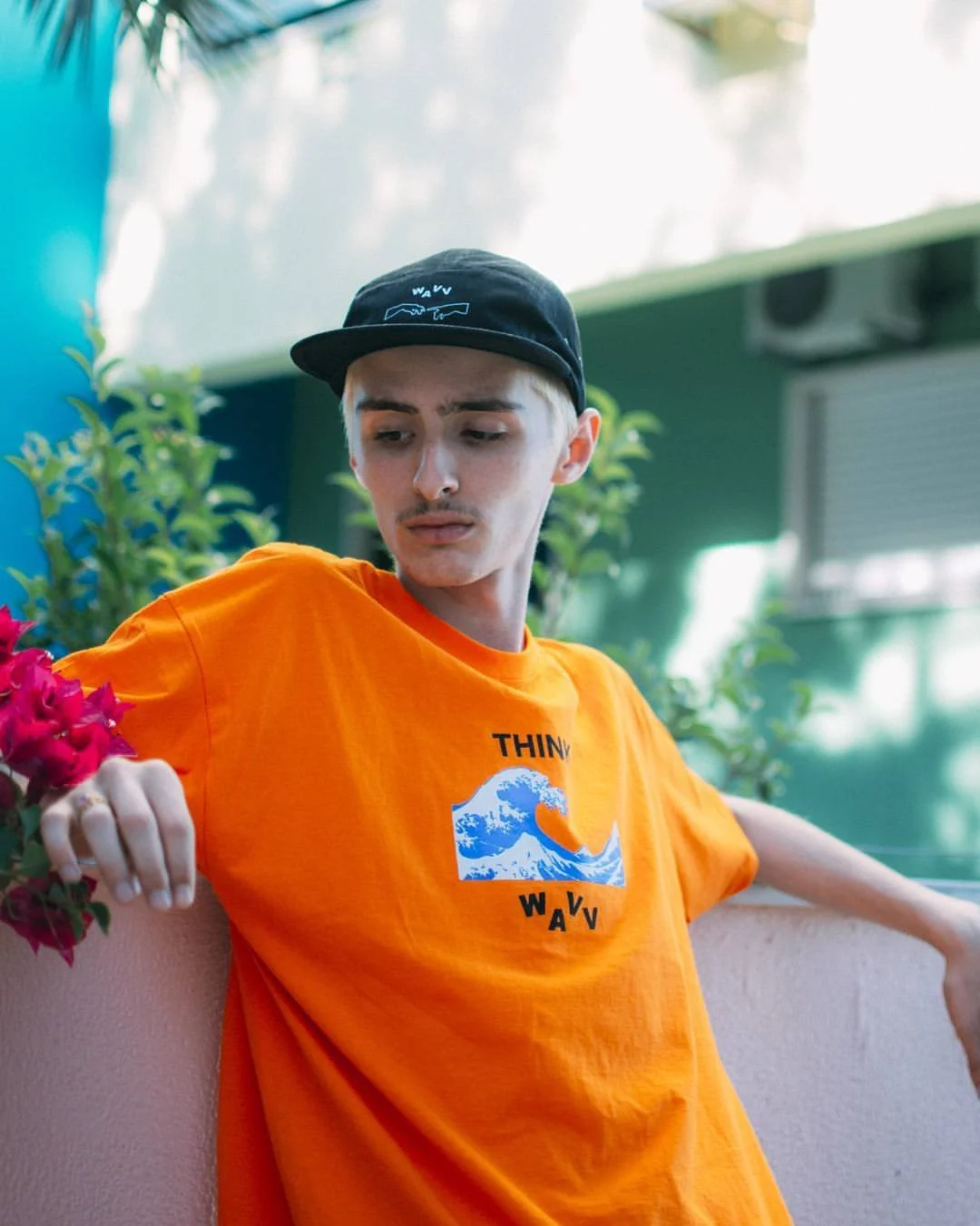
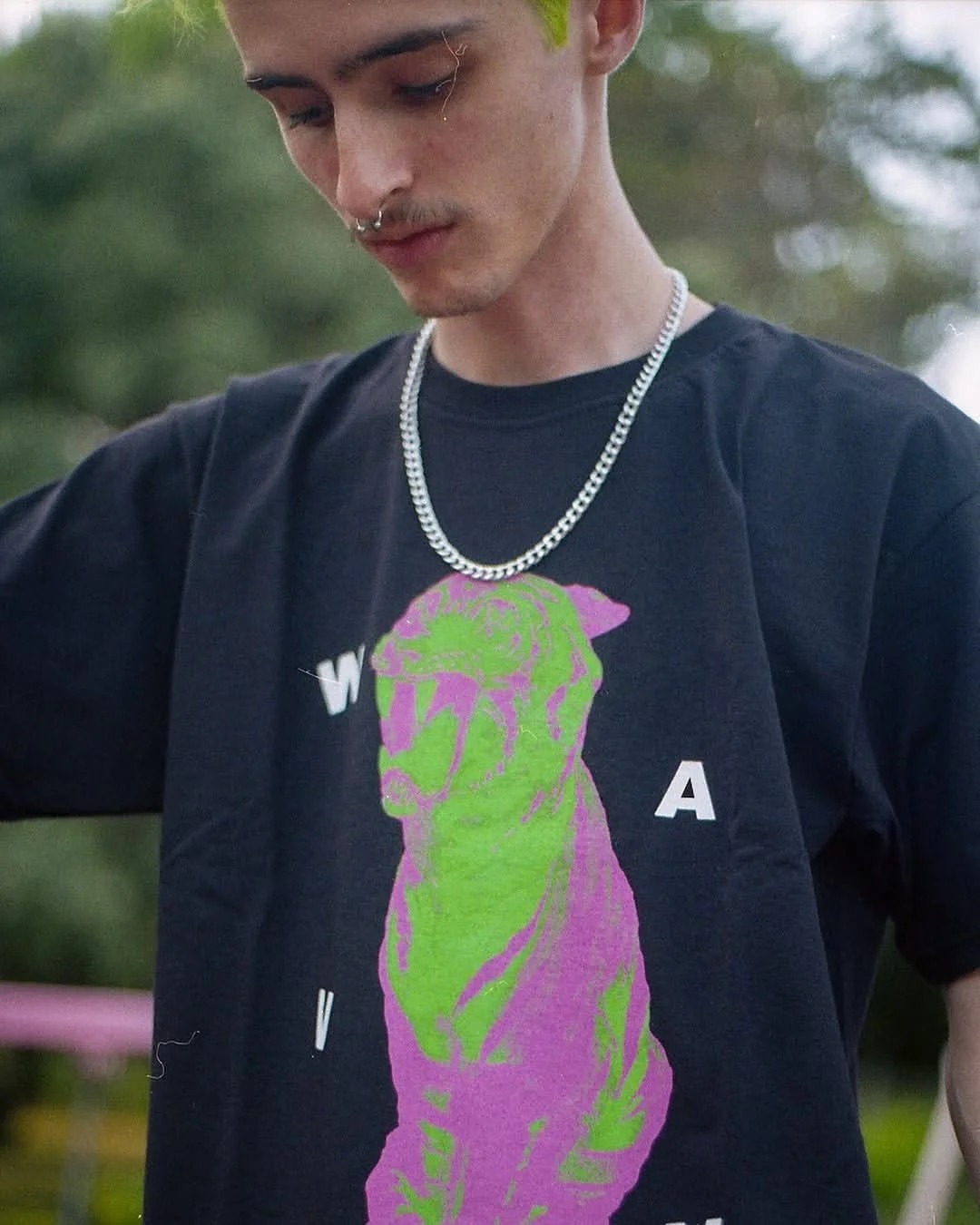
There were already a lot of brands around me, and what made me want to keep making clothes was the lack of colour. Everyone was always doing the same all-black or all-white pieces and designs. WAVV was my way of bringing colour and references from our culture into clothing. A portuguese red Marlboro pack, Vigor milk, a porcelain tiger - these were some of the tributes I made to portuguese cultural staples through WAVV.
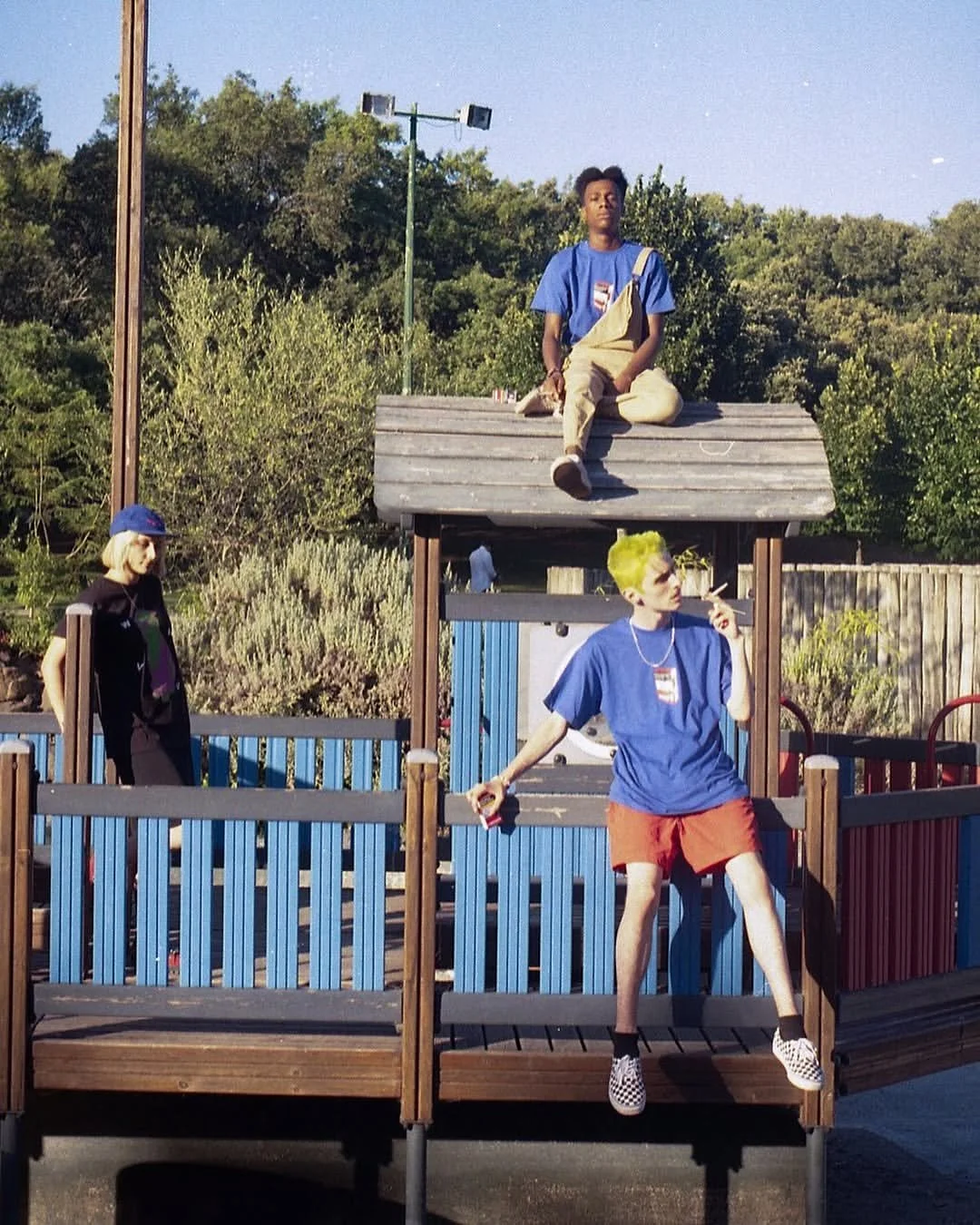
You had the opportunity to witness a very special moment up close - the rise of trap in Portugal. What do you remember most about that era?
I see the importance of that era much more clearly now than I did at the time. Back then, everything felt natural, and being so close to it, we couldn’t really grasp the scale of what was happening. We were just a group of friends doing what we loved most, inspiring each other and, ultimately, creating a creative ecosystem where everyone played a crucial role.
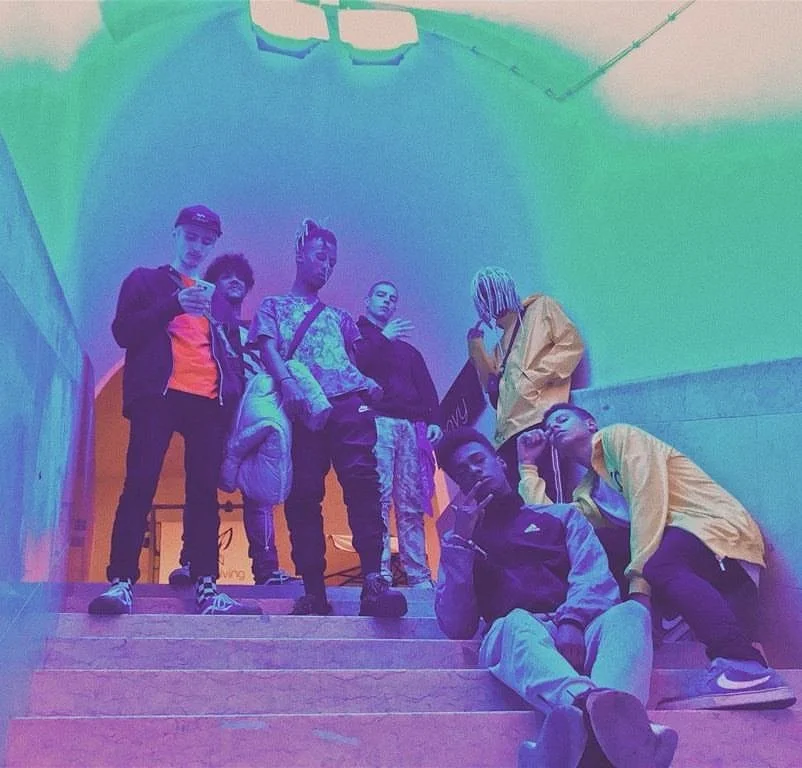
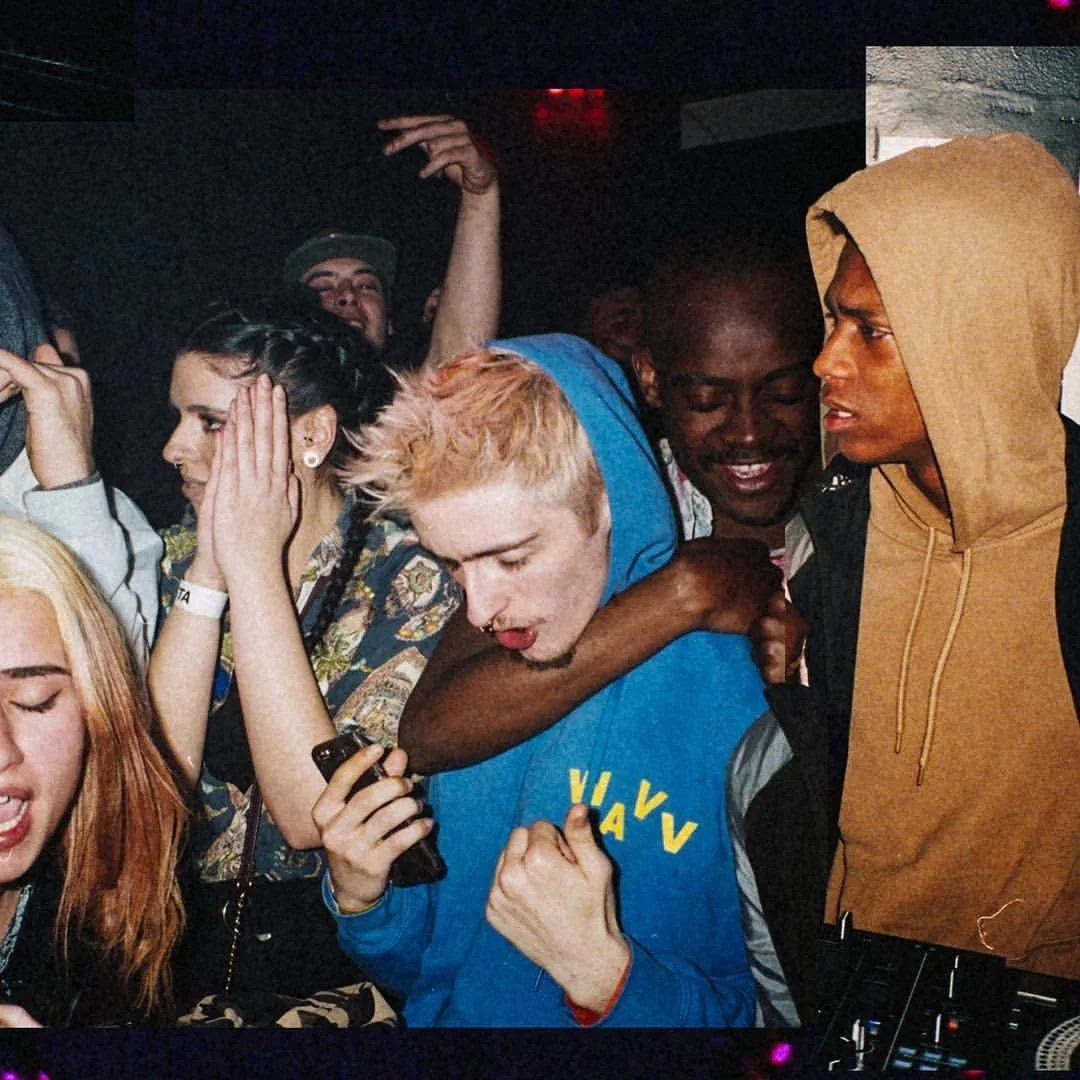
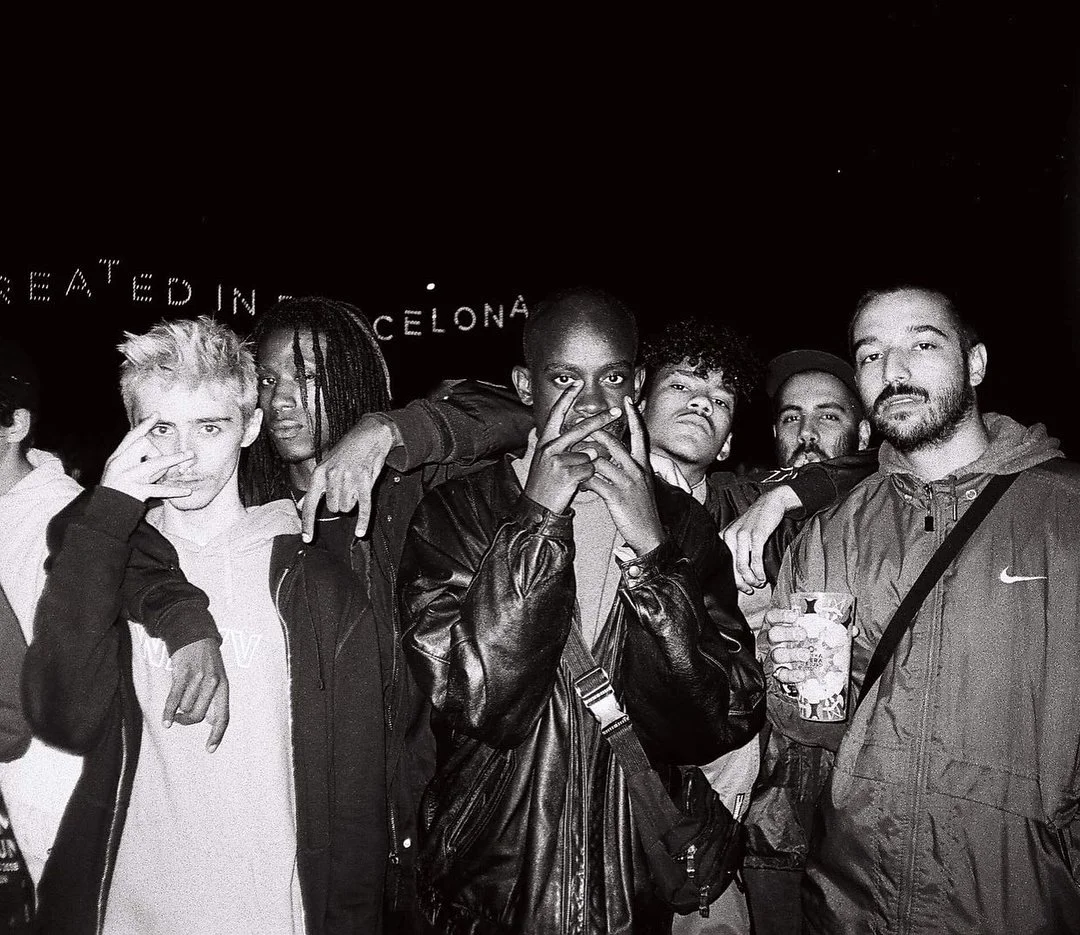
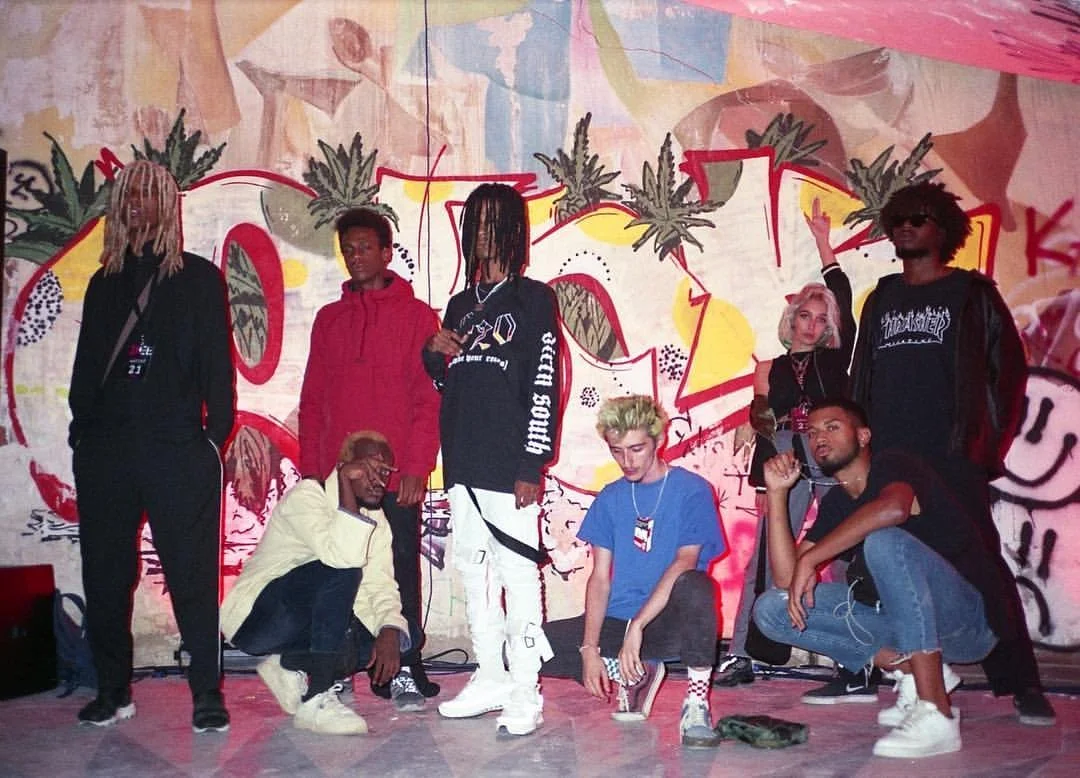
You grew up around and worked closely with names like Valdir, Purpp, Pedro Dórdio, Gonçalo Afonso, Yuri NR5, Oseias, Syl, and others. What do you remember most about that period and the atmosphere surrounding it? Is there any particular story or moment from that time that you’d like to share?
Ribeira das Naus, that’s it. It’s hard to believe today that, back then, that park in Cais do Sodré was Twitter, Discord, Instagram - all of it, IRL. That was the square where the online and real worlds met. It was the forum. It didn’t matter what day or what time it was, you could just pull up and find people culture-maxxing. JBL speakers everywhere, dancers filming their videos, freestyle rap cyphers, garrafões (if you know, you know), debates about the latest album that had dropped or some random music video. That was the council where you were completely immersed in culture and interacting with it directly.
We lived the culture in a park, face-to-face, instead of behind a screen. That, along with birthday dinners and hangouts at those underground chinese restaurants, are probably my fondest memories from that time.
A lot of people probably don’t know that you were part of one of the most iconic videos of this generation, “Dr. Bayard”. How did you end up being part of the video?
At the time, I spent most of my time in front of the camera rather than behind it, and out of all the clips I appeared in, this one is definitely one of the most iconic.
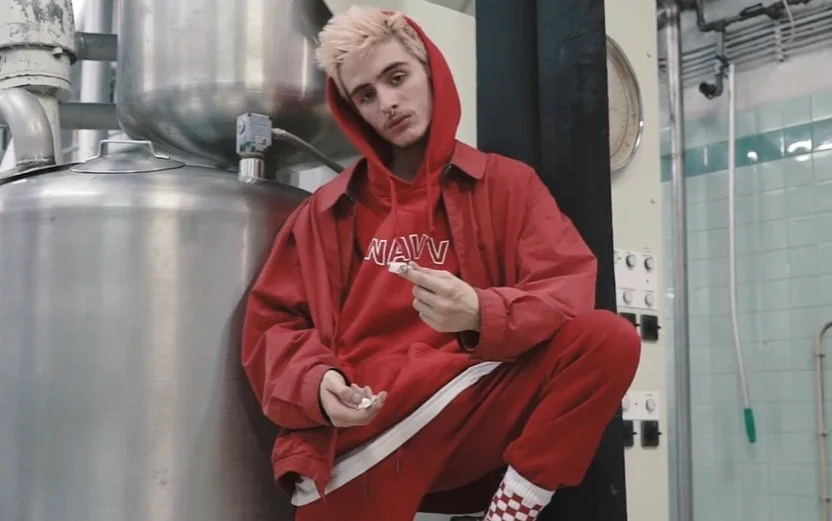
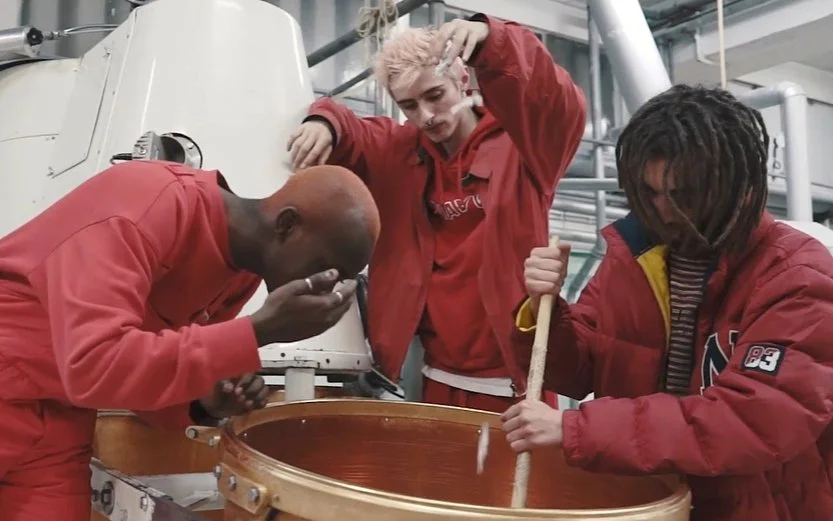
Like any other video, the guys reached out to me, we discussed outfit ideas and all that, and yeah, that was pretty much it. It was actually a fairly simple shoot, but the result was insane. The concept behind the song and the video is genius, merging trap culture with Portuguese culture - just like I love. Salute to the trio that made history: Miguel, Purpp and Fínix. That track was a whole-ass moment in the culture.
I’ll never forget walking into the Dr. Bayard factory and feeling this ridiculous freshness in the air - you could physically feel it going into your lungs. Imagine walking into an industrial space where everything you breathe is menthol candy. Ice cold.
After WAVV, you eventually left the brand and moved even deeper into the world of music. How did that transition come about?
Yes, music was actually always present. Since my teenage years, I’ve naturally found myself surrounded by artists who, in one way or another, were part of the music scene. During the WAVV era, I was already working on merch, cover art and artwork for singles and albums, mostly for Think, but not exclusively. I also spent a lot of time in studios and on stages with artists, without having any specific role, but still being passively involved in the process of building what was happening around me.
The same happened with music videos, where I was often a background extra and would end up helping with production or direction simply because I wanted to. My interest was always drawn towards what was being created and how I could contribute to that creation.
Over time, my involvement in these projects naturally became more active. The foundation of byGrain reinforced that transition: I went from naturally contributing creative input to actively designing and developing these projects alongside a team that shared the same passion.
A large part of your work today is focused on creative direction and music video production. Is that the area you enjoy working in the most? What fascinates you about the process?
My role has always been a mix of different things. Even before working in this field professionally, I was already involved in projects behind the scenes in various ways - from music composition and shots to design, visual concepts and production.
I think I enjoy all of these areas, and especially being the bridge between everyone involved. Where I feel most comfortable is finding that balance between the crazy ideas that come to the table and figuring out how to actually make them executable in the real world, while also thinking from a more sociological perspective about how the final product will be received by people. What fascinates me isn’t really one specific part of the process, but the process as a whole. My role ultimately becomes the glue that holds all the different pieces together.
For those who aren’t as familiar with the field, what does a creative director actually do in practice?
I think it’s a term that has become very vague and overused these days, so I wouldn’t want to be the one defining it. For me, objectively, it means having an insane visual and creative culture - being an obsessive consumer of every kind of art, from the classics to whatever dropped yesterday. Being a constant source of references and a machine gun of ideas, confident in those ideas but also aware of how to execute them realistically.
Ultimately, it’s about using that ammunition to serve a project properly, doing justice to what it wants to communicate and, most importantly, to what it wants the audience to feel.
You’re currently part of ByGrain, one of the most interesting collectives in Portugal when it comes to filmmaking and creative direction. How has that experience been?
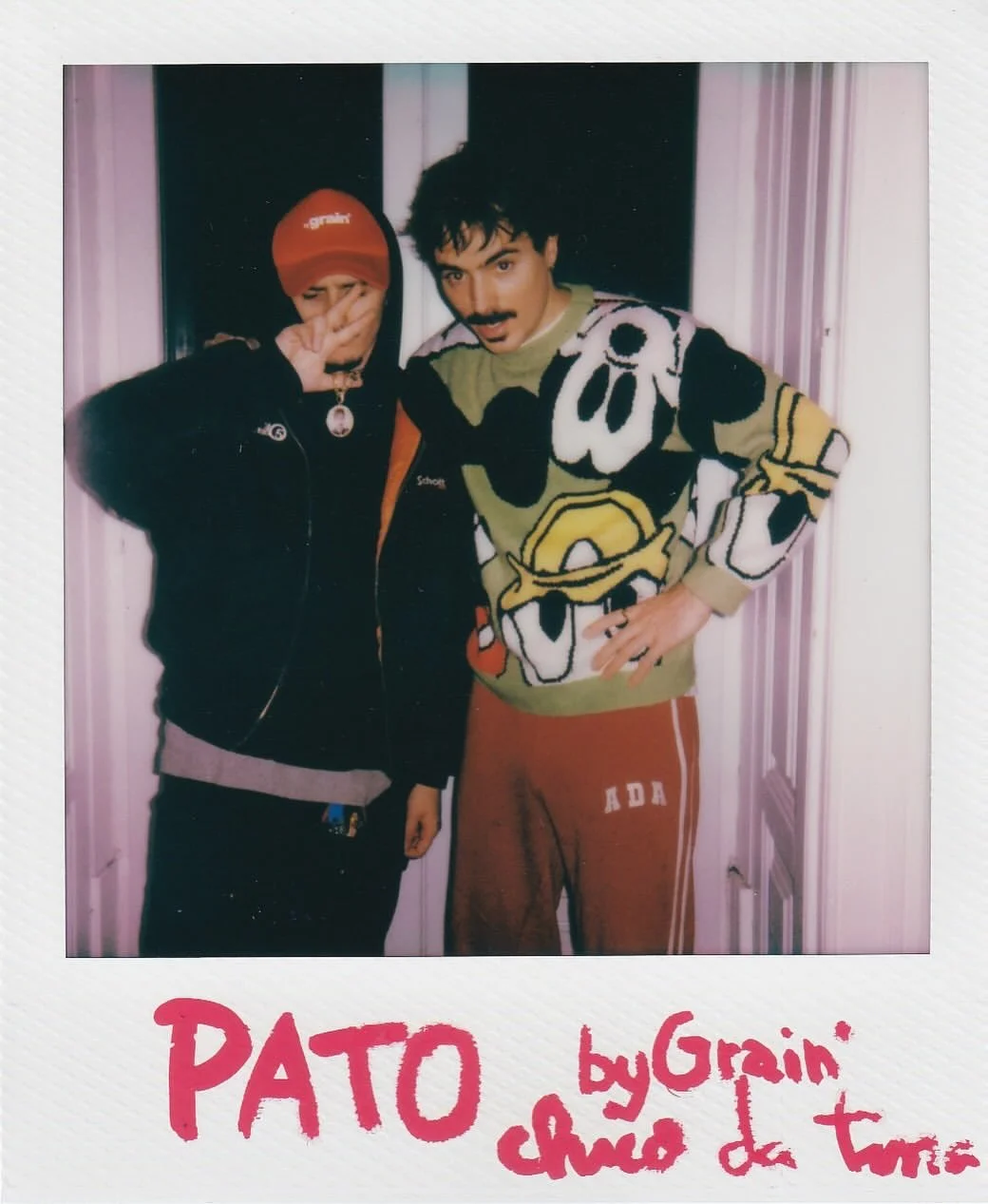
I’m really happy with the creative assembly we’ve built at Grain, as well as all the allied Grainers we’ve brought into the fold and had the chance to work with. Above all, I love what all these different minds create together. Each of our backgrounds and roles brings something different, and when you put it all together, it boils down to a mix that is uniquely ours - always different and captivating.
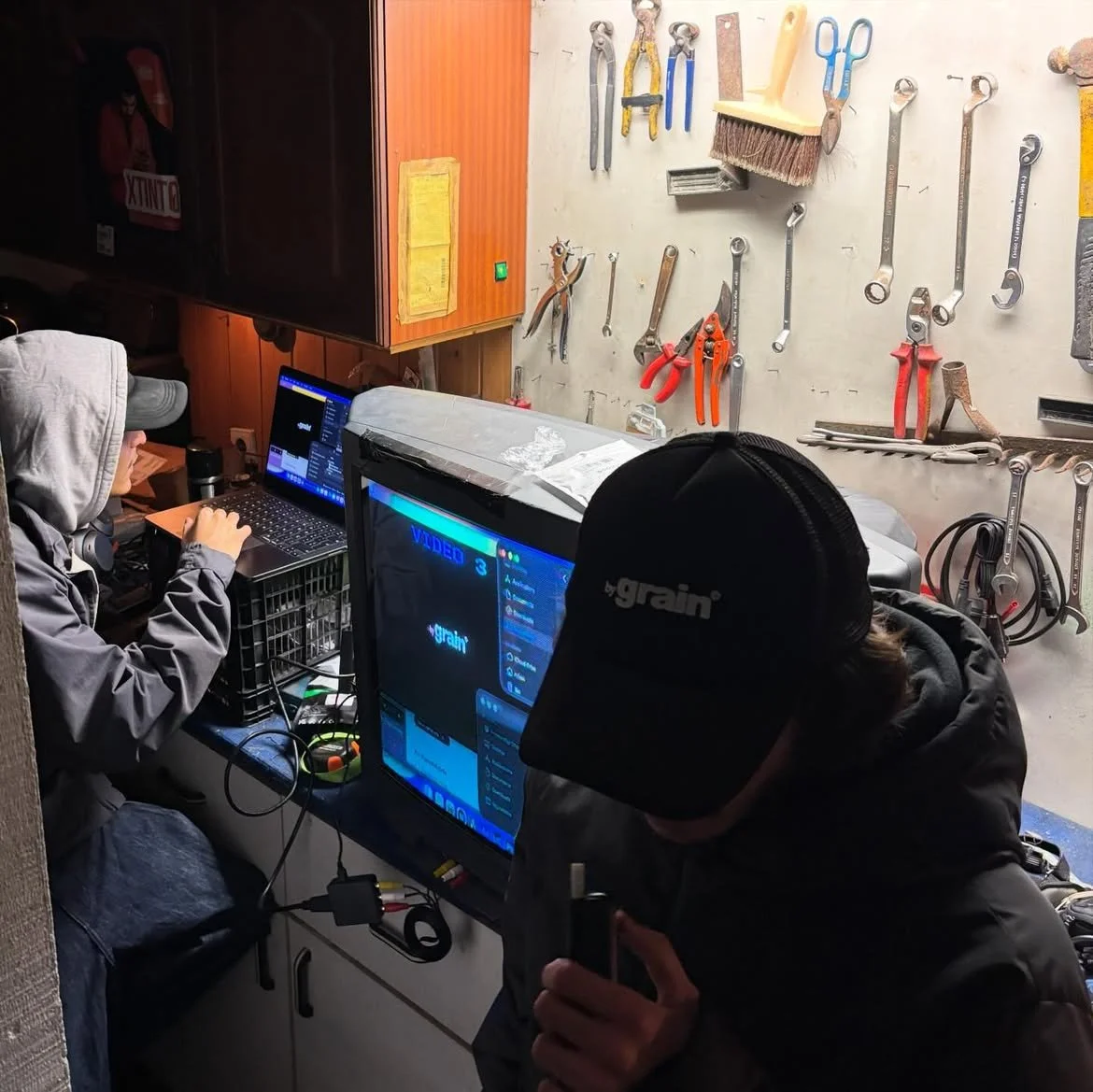
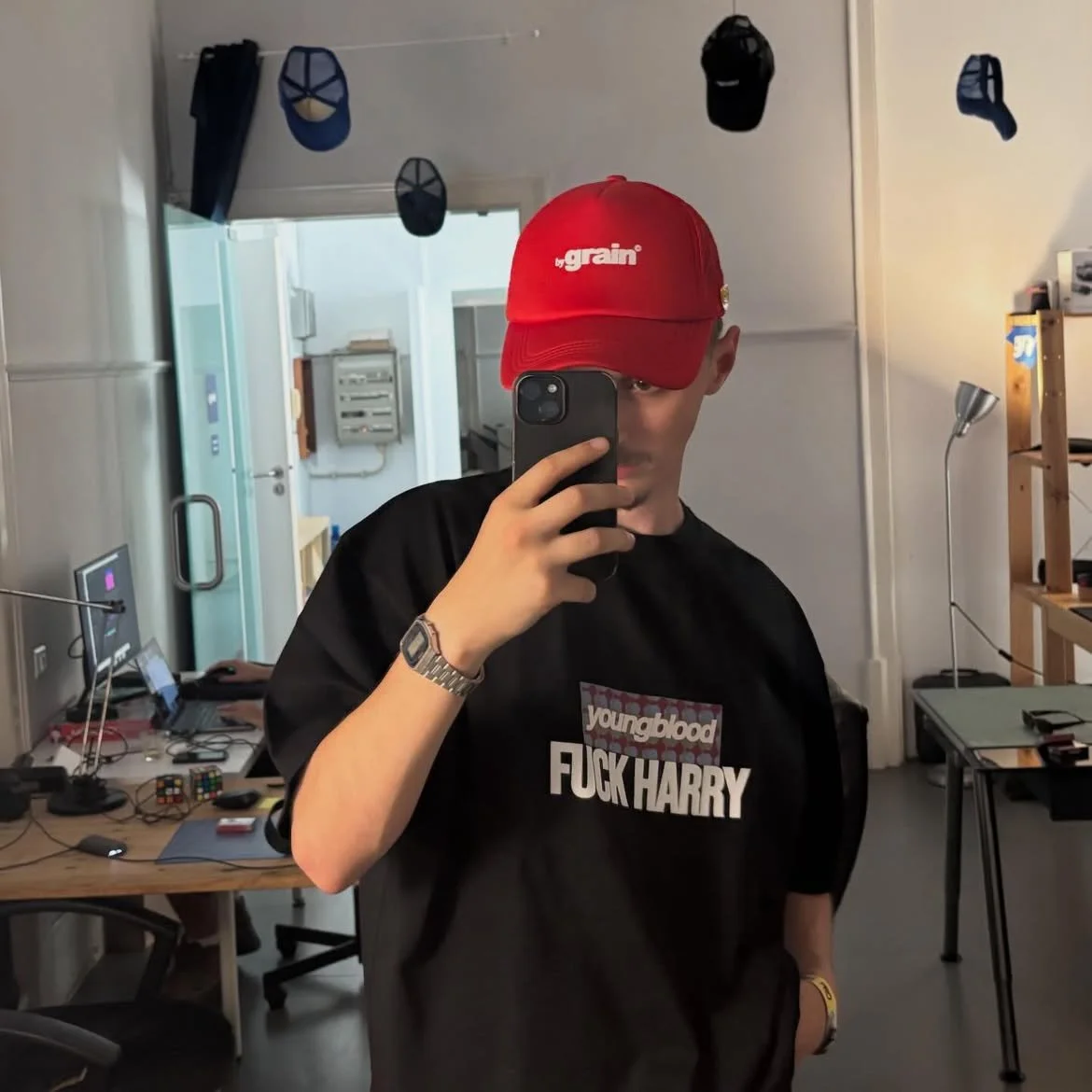
The work we do is more stressful and demanding than it might seem from watching the videos. You need creative minds, but you also need genuine passion. You really have to want this to be able to do this, and all the Grainers fucking want it. We’ve been working a whole fucking lot, and the results are something we’re incredibly proud of. We have no intention of slowing down. This year, we’re working on brand-new layers and facets of Grain, so we can interact even more with artists, audiences and the culture. Soon.
You’ve worked closely with and witnessed the rise of names that went on to become iconic within the culture. What’s it like now to work with and follow this new generation?
It’s a privilege to have been involved, for so long and continuously, in so many projects that leave a mark on the culture. The way music is communicated today is very different, and our attention spans have changed, but the common thread connecting the artists, my peers and myself is still the desire to do something different and unmistakably rooted in our culture.
The generational clash is real, and I think it’s incredibly beneficial. There’s something for everyone to learn from each other.
You’ve been present through different stages of the evolution of culture in Portugal and, in a way, have also contributed to that evolution. How do you see the portuguese scene right now?
Fast and massive. Everything is happening faster and on a much larger scale, and there’s a visible abundance of new portuguese artists carving out their own names, all of them with something unique to offer. The biggest win for me is that, regardless of the style we’re looking for, we can increasingly find someone here doing it. Musicians, directors, designers, stylists - you name it.
When I was a kid, a lot of my references came from abroad. Today, we’re increasingly able to draw inspiration from local artists, and seeing that materialise is crazy good. More and more art is talking about our culture and what’s happening here. As a result, it’s becoming increasingly clear that our culture is dope. The more we draw inspiration from it, the more art we create around it, and it just keeps feeding itself.
A positive message for the community :)
Thank you, Portufiles, all the Grainers, and everyone out there creating and pushing culture forward. Fear nothing. Break the rules. We’re not here forever. What you do is.